UI/UX Design. Interfaces built to convert
We turn user research, information architecture, and interface design into products people understand instantly and businesses can grow on, every screen earning its place.
We grow your business with
- CROturn traffic into leads
- SEOrank & get found
- GEOwin generative search
- AEOget cited by AI answers
The discipline
Design that thinks before it decorates
Good UI/UX is not a coat of paint applied at the end of a build. It is the strategic work of understanding who uses a product, what they are trying to accomplish, and the shortest, clearest path between those two points. At eSEOspace we treat design as a decision-making discipline first and a visual craft second. Every layout choice, label, and interaction is a hypothesis about human behavior, and we validate those hypotheses with research, structure, and testing rather than guesswork or personal taste dressed up as opinion.
That approach matters because interface problems are rarely cosmetic. When visitors bounce, abandon a checkout, or fail to find a service page, the root cause is usually a broken mental model: confusing navigation, unclear hierarchy, or a flow that asks too much too soon. We diagnose those failures systematically. By mapping tasks, information, and intent before we open a design tool, we make sure the pretty version we ship later is also the effective one, not a beautiful surface hiding a frustrating experience underneath.
Our UI/UX work spans marketing sites, dashboards, booking flows, member portals, and full web applications. Whatever the surface, the goal is the same: reduce friction, increase confidence, and guide people toward the action that serves both them and your business. We design interfaces that feel obvious in the moment and defensible in the data, so your product does not just look considered, it measurably performs better for the people who use it every day.
Why it works
Strategy and craft on the same team
A lot of design fails at the seams. A strategist hands off a flowchart, a visual designer makes it pretty without understanding the logic, and a developer rebuilds it because none of it was buildable. Every handoff loses intent. We avoid that by keeping research, structure, interface design, and implementation awareness inside one team that talks constantly. The person thinking about your conversion funnel is close to the person choosing your button states, so nothing important gets lost in translation between disciplines.
This integration also makes our work faster to validate. Because we prototype early and test with representative users, we catch confusing patterns while they are cheap to change, long before they harden into code. We would rather learn that a navigation label is unclear from a five-minute usability session than from three months of underperforming analytics. Design decisions get made with evidence, not authority, which keeps the whole project honest and grounded in how people actually behave.
The result is an interface that holds up under scrutiny from every direction. Users find it intuitive, stakeholders can see the reasoning behind each choice, and developers receive clean, documented components they can build without guessing. That alignment is what turns a good-looking mockup into a product that performs consistently long after launch, because the quality is structural rather than skin-deep and every screen was designed to earn its keep.
What we design
From research to pixel-perfect interface
UI/UX is a chain of connected decisions. We own every link, from the first user interview to the final component handed to engineering.
Information architecture
We structure content and navigation so people always know where they are and where to go next.
High-fidelity UI
Polished, on-brand interface design with real type, color, spacing, and interaction states.
Interaction design
Micro-interactions, transitions, and feedback that make interfaces feel responsive and alive.
Design systems
Reusable components and tokens that keep every screen consistent and fast to extend.
Conversion focus
Flows engineered to reduce friction and move visitors toward booking, buying, or signing up.
Accessibility
WCAG-minded contrast, focus states, and semantics so every visitor can use the product.
Capabilities
A complete UX toolkit
We combine strategic research with hands-on interface craft, so the thinking and the making never drift apart across a project.
- User research and interviews
- Personas and journey mapping
- Information architecture
- Card sorting and tree testing
- Low-fidelity wireframes
- High-fidelity UI design
- Interactive prototyping
- Usability testing
- Conversion rate optimization
- Design systems and components
- Accessibility and WCAG audits
- Responsive and mobile-first layouts
Who it's for
Teams who need their product to make sense
Our UI/UX work fits businesses at a turning point: a startup shaping its first web application, an established company whose site has grown into a confusing maze, or a team launching a new flow that has to convert from day one. If users are dropping off, support tickets keep repeating the same questions, or stakeholders cannot agree on what a screen should do, those are all symptoms of design debt that structured UX work is built to resolve quickly and durably.
We are equally at home with founders who need a full product designed from scratch and with marketing teams who need an existing experience sharpened. Because eSEOspace also builds and ranks the sites we design, our UX decisions account for engineering reality and search visibility, not just visuals. You get design that developers can actually ship and that search engines and real users both reward, rather than concept art that falls apart the moment it meets a codebase or a live audience.
The process
How we do it
A clear, collaborative path from understanding your users to shipping an interface your team can confidently build on.
Discover
We learn your business, users, and goals through interviews, analytics, and a review of the current experience to surface real problems.
Structure
We map information architecture, user flows, and wireframes, agreeing on how the product is organized before any visual design begins.
Design
We craft high-fidelity interfaces and interactive prototypes with real content, brand, states, and responsive behavior across devices.
Validate
We test designs with representative users, gather feedback, and refine flows and details until the experience is measurably clear.
Deliver
We hand off documented components, a design system, and specs so engineering can build the product accurately and efficiently.
Selected work
Interfaces we have shaped
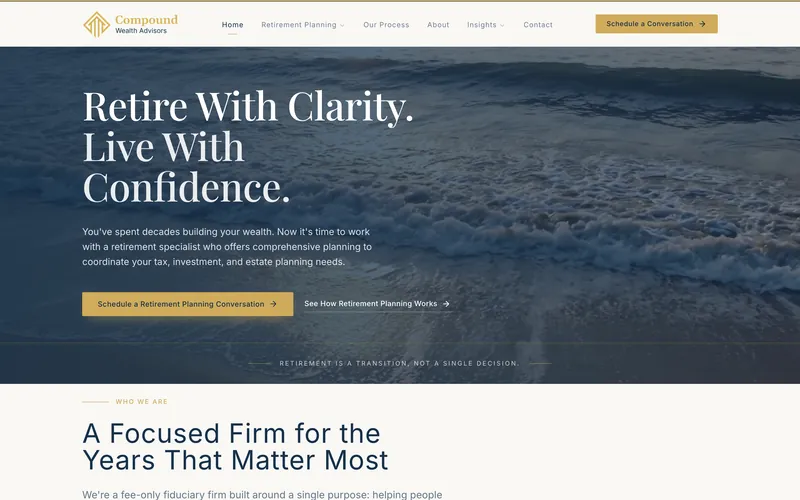
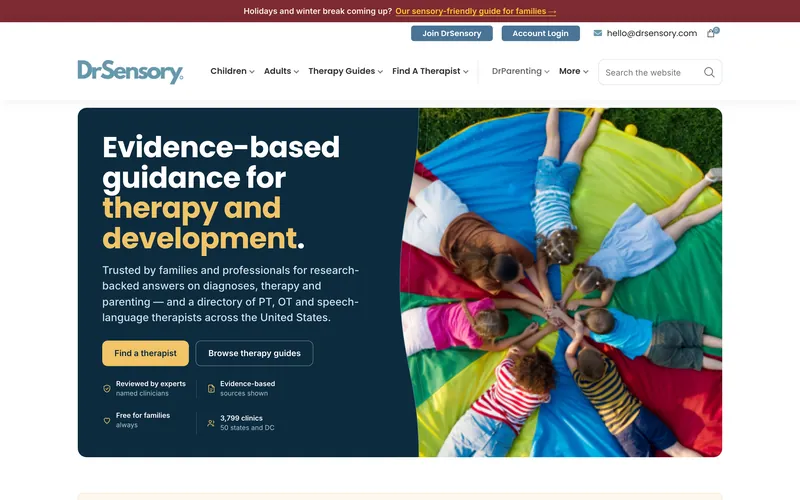
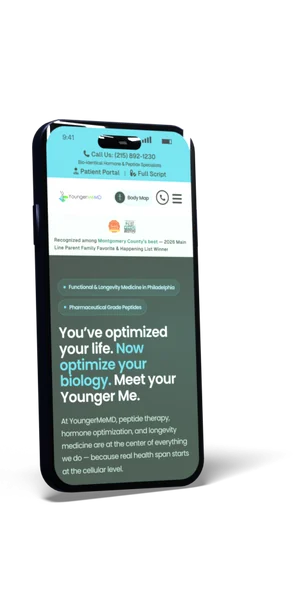
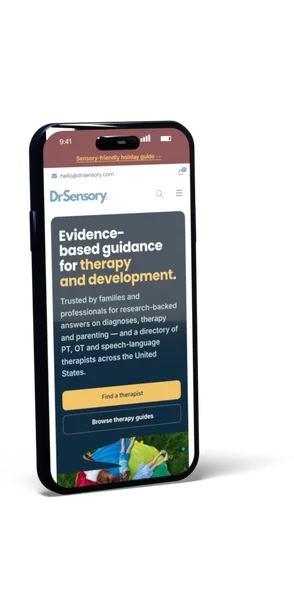
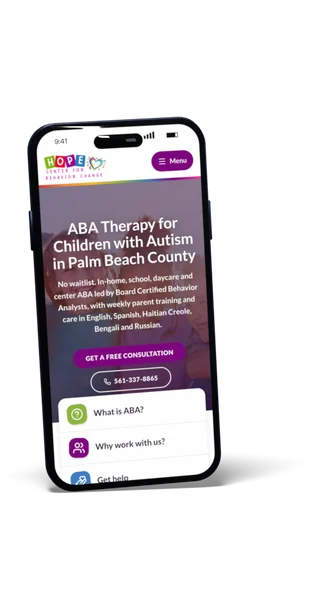
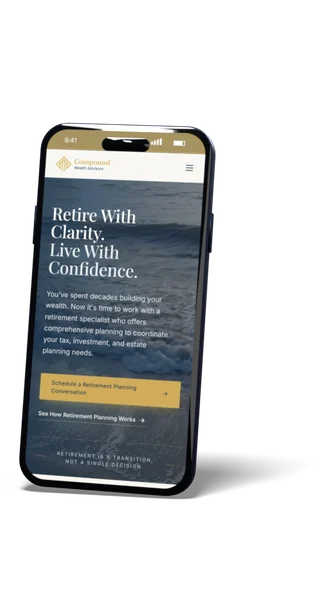
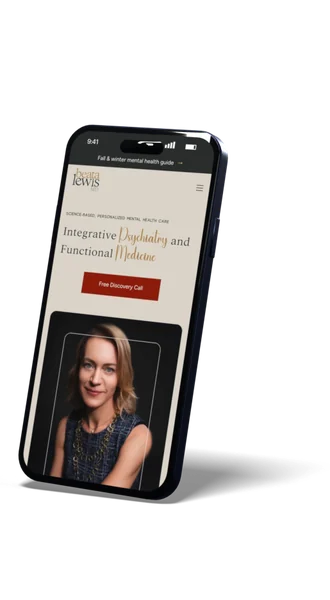
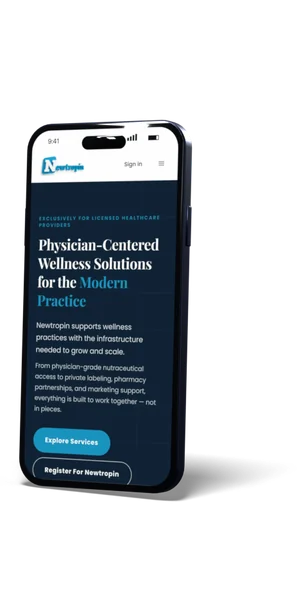
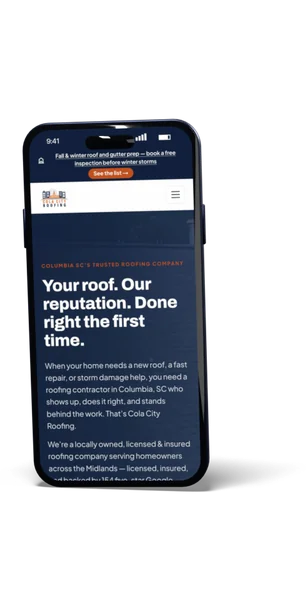
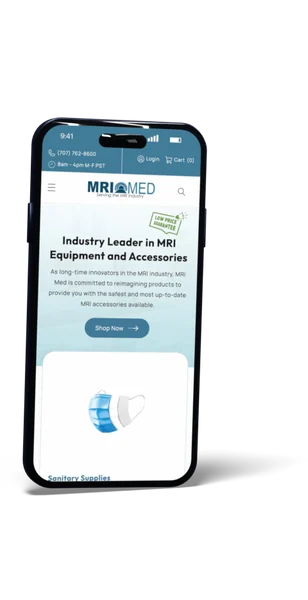
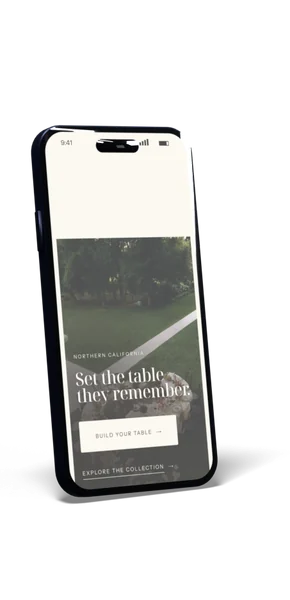
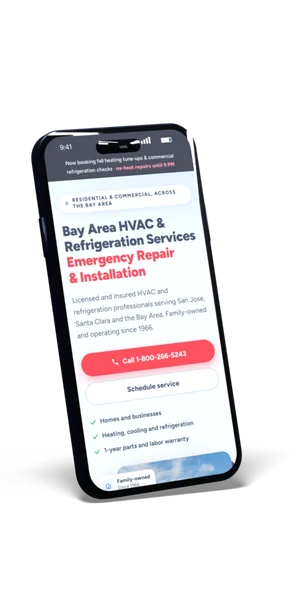
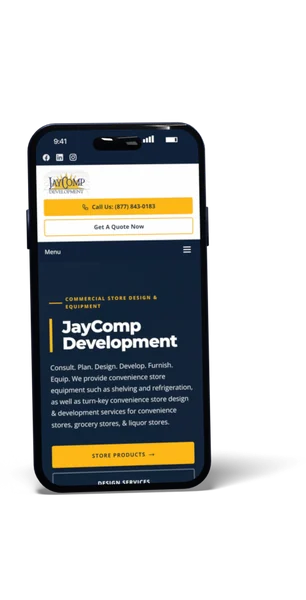
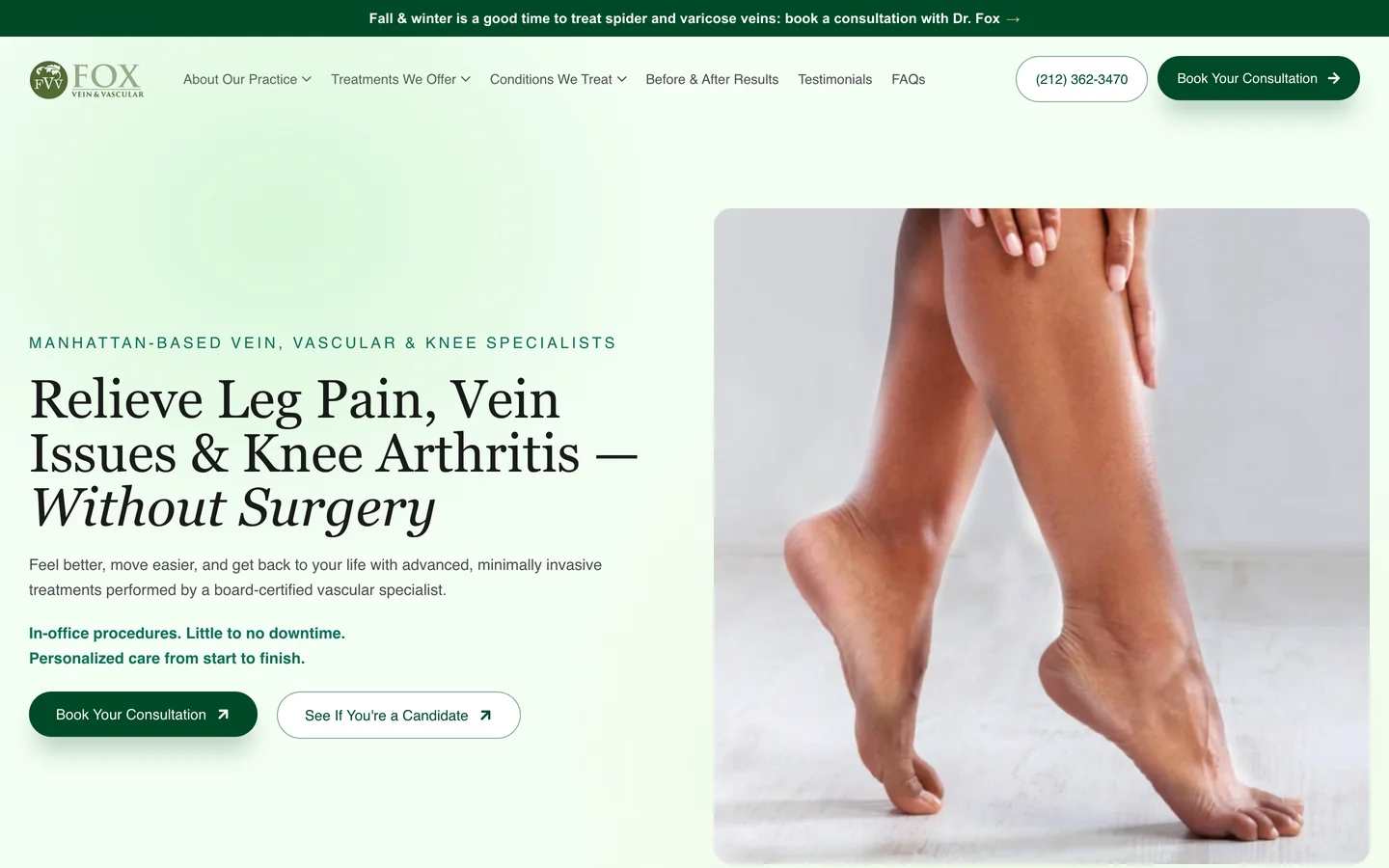
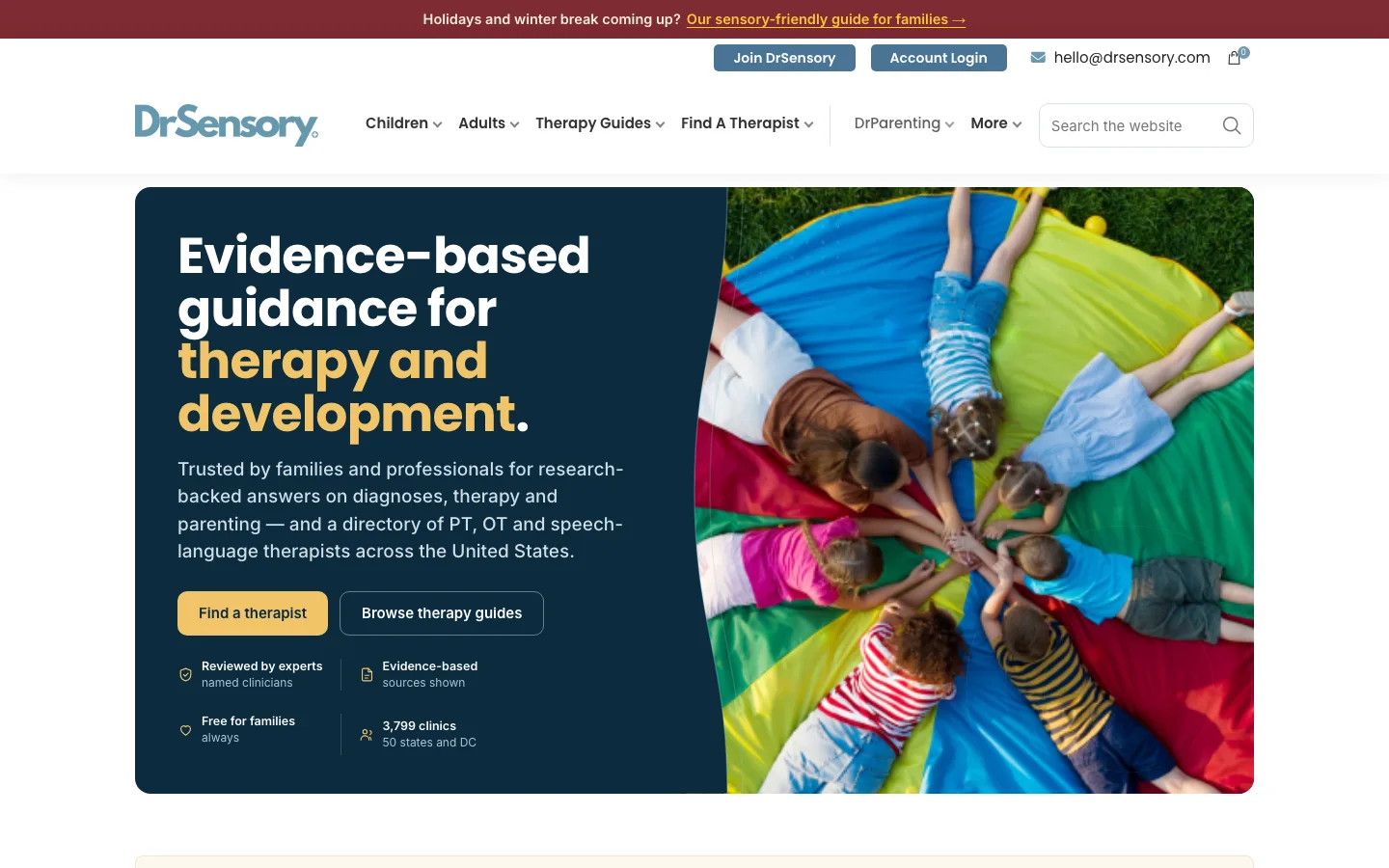
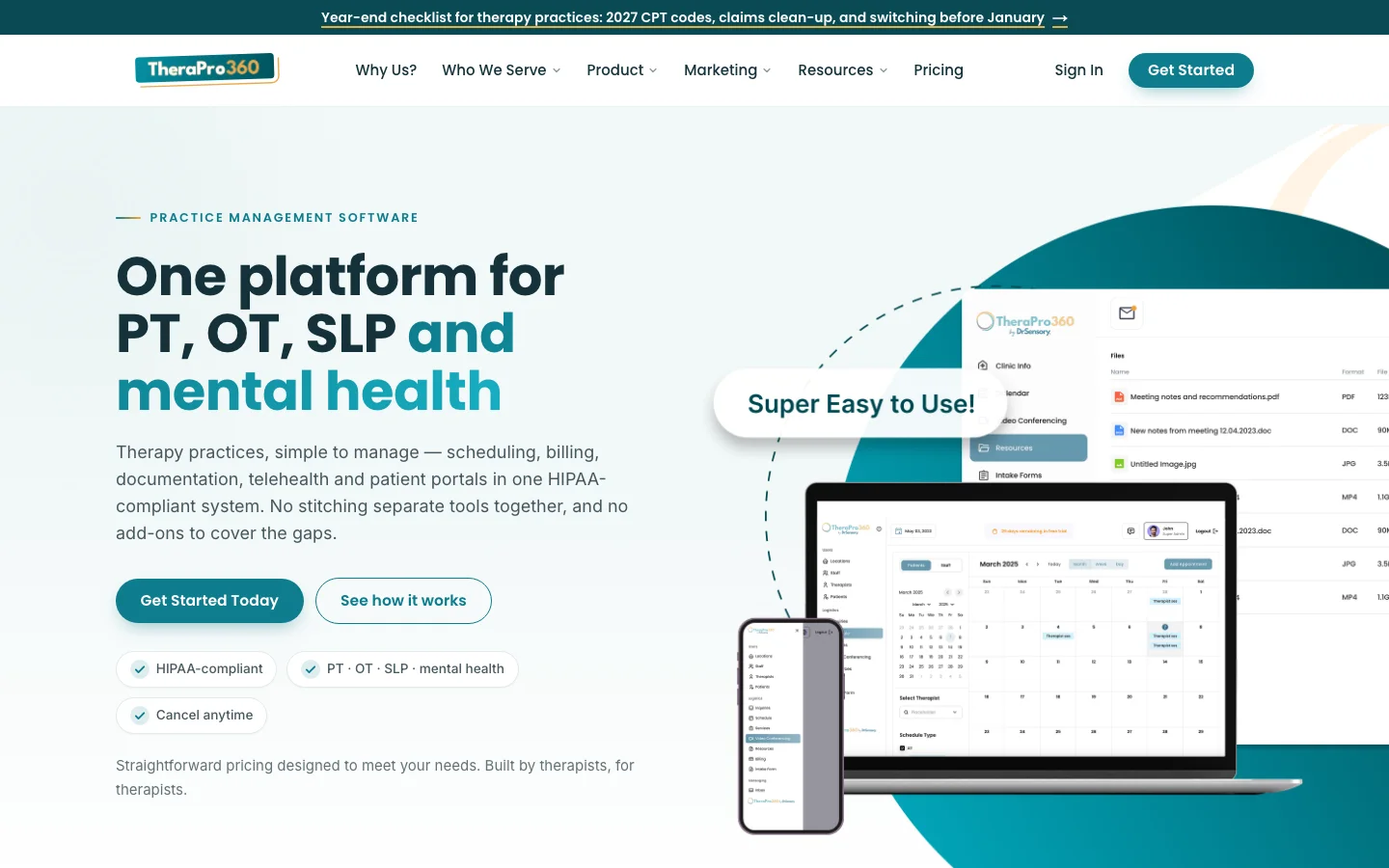
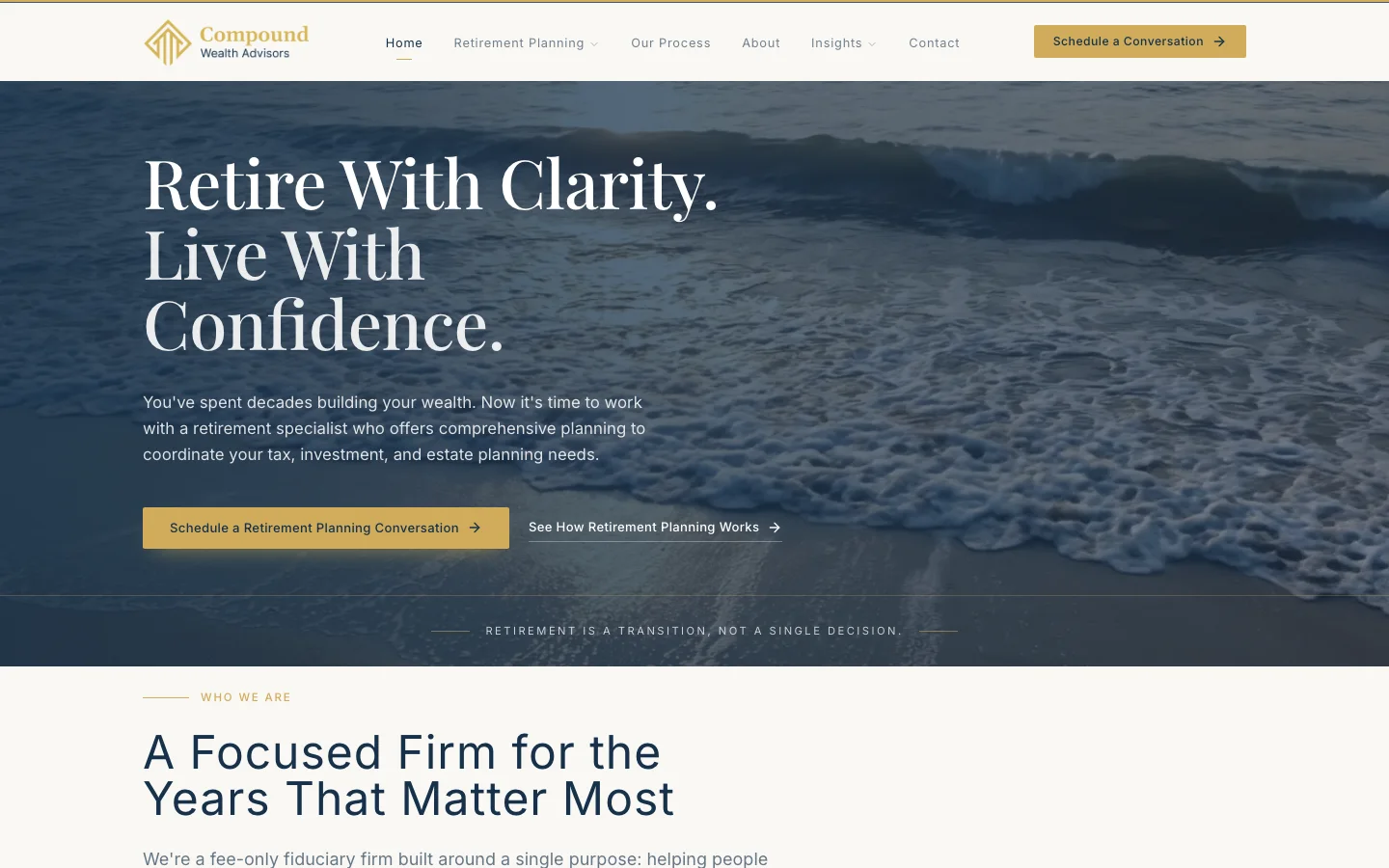
A look at products where research, structure, and interface design came together to serve real users and real business goals.
- Healthcare
DrSensory
View live site → - SaaS · Healthcare
TheraPro360
View live site → - Finance
Compound Wealth Advisors
View live site →
What clients say
Businesses grow with eSEOspace
“Since beginning work with Irina and her staff at eSEOspace our internet activity has really begun to lift off. We had lots of issues with our site and the site was built several years ago. Irina found the problems, created a plan to fix them, and has since been implementing the plan to drive traffic to our site. Give them a call — they are a great company to work with!”
Brad SneedJayComp Development · Trustpilot
- ★★★★★
“After quickly exiting a previous marketing contract and needing to hit the ground running, the swift and capable onboarding with eSEOspace was exactly what we needed. Six months in, it's been a completely different experience. Irina and her team bring a level of attention to detail and consistency that you rarely find. As someone with over 15 years of marketing experience, I'm not easy to impress — what sets them apart is that they genuinely listen. It feels like a partnership, not a vendor relationship. eSEOspa…”
Ashley MurrayMarketing Leader · Trustpilot
- ★★★★★
“We have had an outstanding experience working with Ben Gunther, Project Manager at eSEOspace. From day one, the team has been incredibly patient, educational, and supportive. They created a gorgeous Shopify store for our company that is both professional and perfectly on trend. I genuinely do not have one negative thing to say. I would absolutely work with them again and highly recommend eSEOspace.”
SarahShopify store owner · Trustpilot
5.0 ★ average across 92 client reviews on Google, Trustpilot, Clutch & DesignRush. Read them all
Project Managers who will work with you on your project!
 Irina Shvaya
 Benjamin Gunther
 David Geder
 Jeanette Mordvinov
 Mark Shvaya
 Maryna
FAQ
Common questions
What is the difference between UI and UX design?
Do you do user research, or just visuals?
How is this different from your Figma page?
Can you redesign an existing product?
Do you build what you design?
Is accessibility included?
How do you measure whether the design works?
Wondering what this costs? Every service has published pricing — no discovery call required to see it.
View pricingReady to design an interface people actually understand?
Book a free strategy call and we will review your product, pinpoint the biggest UX opportunities, and outline a clear path forward.
Book a Strategy Call →