



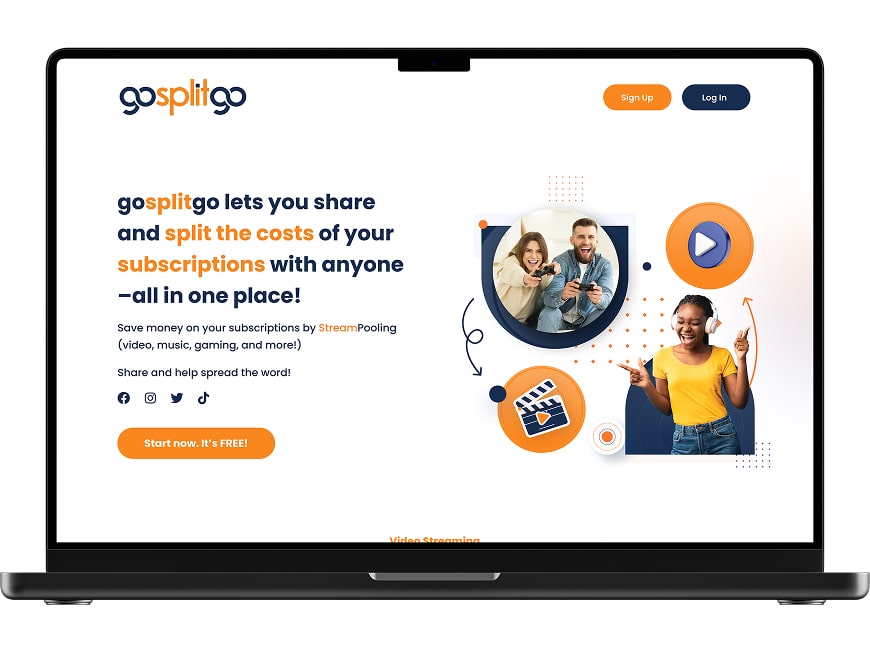
- Neighborhood-informed information architecture: We plan content silos and landing pages aligned to key submarkets—such as Downtown LA, Westwood, Santa Monica, Pasadena, and the San Fernando Valley—so users find relevant services fast. Clear navigation labels, breadcrumb trails, and localized CTAs improve task completion and reduce bounce rates.
- Audience segmentation and content alignment: Stakeholder interviews and analytics analysis identify core segments (e.g., studio vendors, healthcare practices, B2B tech, professional services, hospitality). We then map messaging, proof points, and visuals to each segment’s expectations, addressing common evaluation criteria such as compliance, portfolio quality, turnaround times, and total cost of ownership.
- Conversion design for high-intent users: Prominent click-to-call, structured contact forms, appointment booking, and lead qualification fields reduce friction. For industries with rapid decision cycles—such as production support or home services—we implement fast contact options, after-hours response notices, and trust signals (licenses, certifications, reviews, and case studies) above the fold.
- Multilingual and accessibility readiness: Los Angeles benefits from multilingual experiences. When needed, we implement Spanish and other language variants with hreflang and translation workflows to preserve SEO equity. We design to WCAG 2.2 AA standards, including color contrast compliance
- Evidence-based iteration: We validate design hypotheses with first-party analytics, heatmaps, scroll maps, and targeted A/B tests. We monitor click-through rates on localized CTAs, assess form completion, and refine page structures to maximize engagement while keeping site performance within Core Web Vitals thresholds.
- Core Web Vitals: We target sub-2.5s Largest Contentful Paint, low Cumulative Layout Shift, and responsive interaction by using modern image formats (WebP/AVIF), code splitting, lazy loading, and critical CSS inlining.
- Structured data: LocalBusiness, Organization, Product, Service, and FAQ schema help search engines understand your business and reinforce local relevance.
- Semantic markup: Proper heading hierarchy, descriptive alt text, internal linking, and canonicalization support efficient crawling and indexing.
- Accessibility: WCAG 2.2 AA compliance (keyboard navigation, focus states, color contrast, ARIA roles) ensures inclusive design and reduces legal risk.
- Competitive benchmarking: We analyze top-ranking Los Angeles competitors for speed, content depth, topical authority, and backlink profiles, setting measurable targets for improvement.
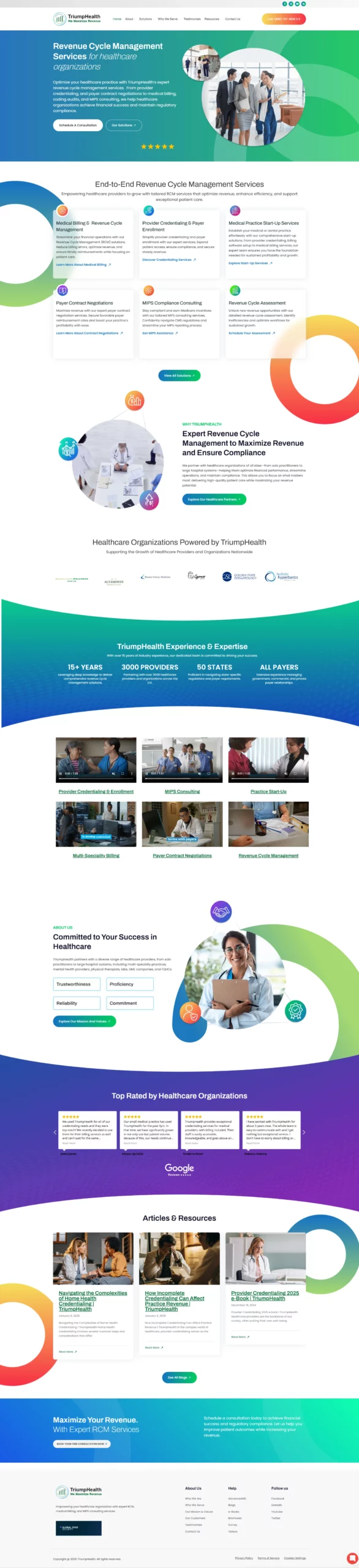
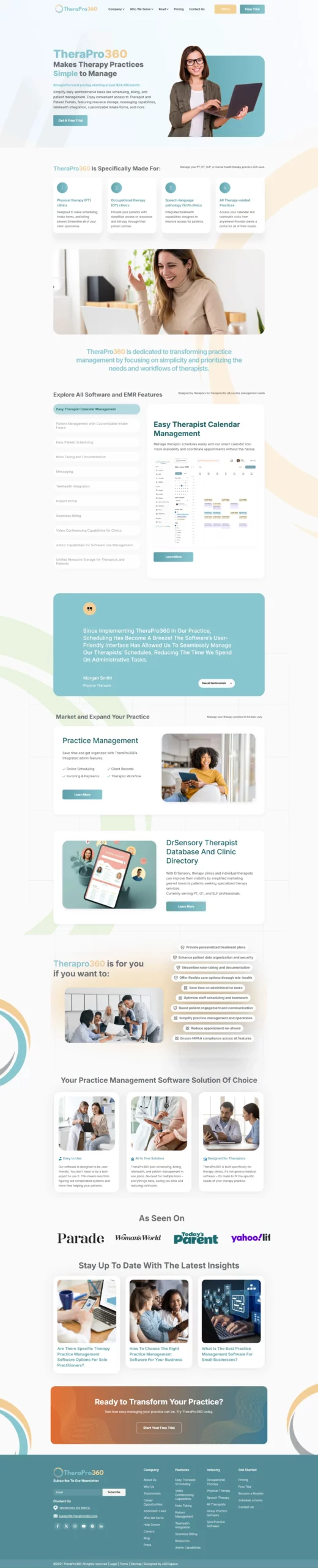
- Sector alignment: From entertainment portfolios to healthcare appointment flows, we implement compliant forms, secure integrations, and conversion-oriented layouts based on industry norms and regulations.



Directions
Located in Westwood near the 405 and Wilshire Blvd.

Parking
On-site paid parking in building garage
Street parking (varies by hour and signage)
Accessibility
Elevator access
ADA-compliant entryways

Meeting Options
In-person sessions
Secure video conferencing


