



Blog
Why SEO-Focused APIs Matter in Headless CMS Architecture
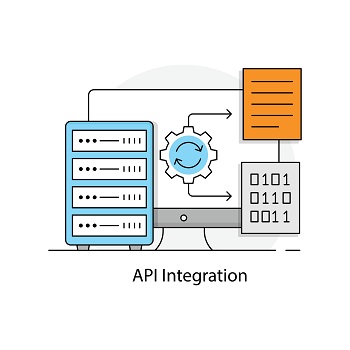
SEO and content management have become deeply intertwined in the digital landscape. Organizations looking to boost their online presence need agile, scalable systems that adapt to both content delivery and the technical intricacies of search engine optimization (SEO). This is where SEO-focused APIs come into play, offering critical solutions that enhance a headless CMS (Content Management System) architecture in powerful ways.
Exploring the role of SEO APIs in this setup reveals how they not only improve SEO performance but also streamline processes, enhance the delivery speed of content, and provide richer user experiences. If you’re considering optimizing your digital architecture, understanding the importance of these APIs is a must.
What Is a Headless CMS and Why Does SEO Matter in This Context?
The Headless CMS Advantage
 A headless CMS differs from traditional CMS platforms by decoupling the back-end content repository from the front-end delivery layer. Content is created, stored, and managed independently, while APIs (Application Programming Interfaces) are used to deliver that content to various channels—websites, mobile apps, or even IoT devices.
This separation enables flexibility, speed, and a more developer-friendly environment. However, it also means that SEO-specific tools and functionalities—like metadata management, schema markup, and structured data—are not inherently included. This is where SEO-focused APIs become pivotal.
Why SEO Can’t Be an Afterthought
A beautifully delivered website is meaningless if search engines can't find it effectively. SEO bridges this gap by:
- Increasing discoverability in search results.
- Improving site visibility to the target audience.
- Driving organic traffic, which often leads to better conversion rates.
A strong SEO foundation in a headless CMS ensures that your content is not only delivered efficiently but also ranks well in search engine queries.
The Role of SEO-Focused APIs in Headless CMS
What Are SEO-Focused APIs?
SEO APIs (including SEO ranking APIs) are tools that integrate seamlessly with headless CMS platforms to handle tasks critical to optimization. These APIs may offer functionalities like keyword tracking, backlink monitoring, metadata automation, and site health checks.
For example:
- SEO APIs like keyword suggestion tools help content creators target high-value, audience-relevant search terms.
- SEO ranking APIs ensure you measure your performance across search engine result pages (SERPs) in real time, enabling data-driven adjustments.
Rather than relying on static manual processes, APIs allow these optimizations to be automated and applied consistently, regardless of where the content is published.
Key Benefits of Using SEO-Focused APIs in Headless CMS
1. Unifying SEO and Content Delivery
One of the greatest strengths of SEO-focused APIs is the way they integrate seamlessly into a headless CMS. Developers can call these APIs to automatically generate metadata, schema markup, or even optimize images – directly within the CMS workflow. This ensures your content is search-engine friendly without requiring manual intervention or external plugins.
For example, consider a global retailer that runs several digital storefronts. Using an SEO API, they can automate language-specific meta descriptions and titles for each market, significantly improving localization while reducing human effort.
2. Improved SEO Performance
With SEO ranking APIs, precise performance tracking across different regions, search engines, and devices becomes simple—without disrupting your CMS architecture. This real-time data enables quicker optimizations, helping your site rank higher for critical keywords.
Imagine tracking rankings for a new product launch across multiple geographies. An SEO ranking API can instantly show where your campaign is succeeding and where it needs tweaking, ensuring resources are focused effectively.
Get a FREE Audit
We'll perform a comprehensive SEO, AEO, GEO & CRO audit of your website — completely free — and show you exactly how to outrank your competitors.
Don't have a site yet? Get in touch →
3. Enhanced Scalability
One challenge with traditional CMS platforms is managing SEO as projects scale. For example, adding hundreds—or thousands—of landing pages often results in inconsistent metadata, broken links, or site structure redundancies.
By incorporating SEO-focused APIs, headless CMS platforms can automate repetitive tasks like creating sitemaps or assigning structured data. This automation reduces errors while ensuring consistent optimization across a growing portfolio of digital assets.
4. Better User Experience (UX)
SEO isn’t all about rankings—it also contributes to a better user experience. APIs can play a vital role in improving site speed by optimizing content delivery through caching, compression, or lazy loading. Faster page loads aren’t just good for visitors—they’re a direct ranking factor for search engines.
Additionally, APIs help generate rich search engine snippets with structured data. These enhancements invite more clicks and ensure your audience gets the most relevant information upfront.
Implementing SEO APIs in a Headless CMS Workflow
 Integrating SEO APIs into a headless CMS architecture requires a thoughtful approach:
- Define Your Goals
Clarify whether your primary objective is keyword tracking, SERP performance, technical SEO optimization, or a combination.
- Select the Right APIs
For example:
-
- Use a keyword-ranking SEO API to identify valuable terms and track SERP shifts.
- Leverage schema and metadata APIs to automate structured data implementation.
- Build Integration Pipelines
Developers can build workflows that integrate these APIs into CMS actions, such as publishing new pages or updating existing ones. For example:
-
-
- Automate meta tags generation upon content creation.
- Fetch SERP performance metrics after deployment.
-
- Monitor and Iterate
API integrations should include regular monitoring. Set up error alerts and review key SEO metrics over time to refine performance.
Real-World Example of SEO-Focused APIs in Action
A real-world implementation might look like this:
Your team manages a content site with 500+ blog posts. By integrating an SEO API into your headless CMS, you could:
- Automatically update old content with refreshed keywords.
- Optimize images and alt-text in bulk for accessibility and SEO.
- Track ranking for specific posts using SEO ranking APIs, so you can instantly see how updates impact visibility.
Final Thoughts
The importance of SEO-focused APIs in headless CMS architecture cannot be overstated. These tools help organizations scale, automate, and optimize their content for search engines while delivering a better experience to users. By seamlessly merging SEO and content management, businesses can remain competitive in an ever-evolving digital ecosystem.
If your CMS architecture isn’t supporting your SEO goals, it may be time to explore how these APIs can bridge the gap and pave the way for sustained growth. The eSEOspace team can help!
Make Your Website Competitive.
Leverage our expertise in Website Design + SEO Marketing, and spend your time doing what you love to do!








