



Blog
Key Takeaways
- For mental health professionals, building online authority is an ethical extension of practice, not just a marketing tactic.
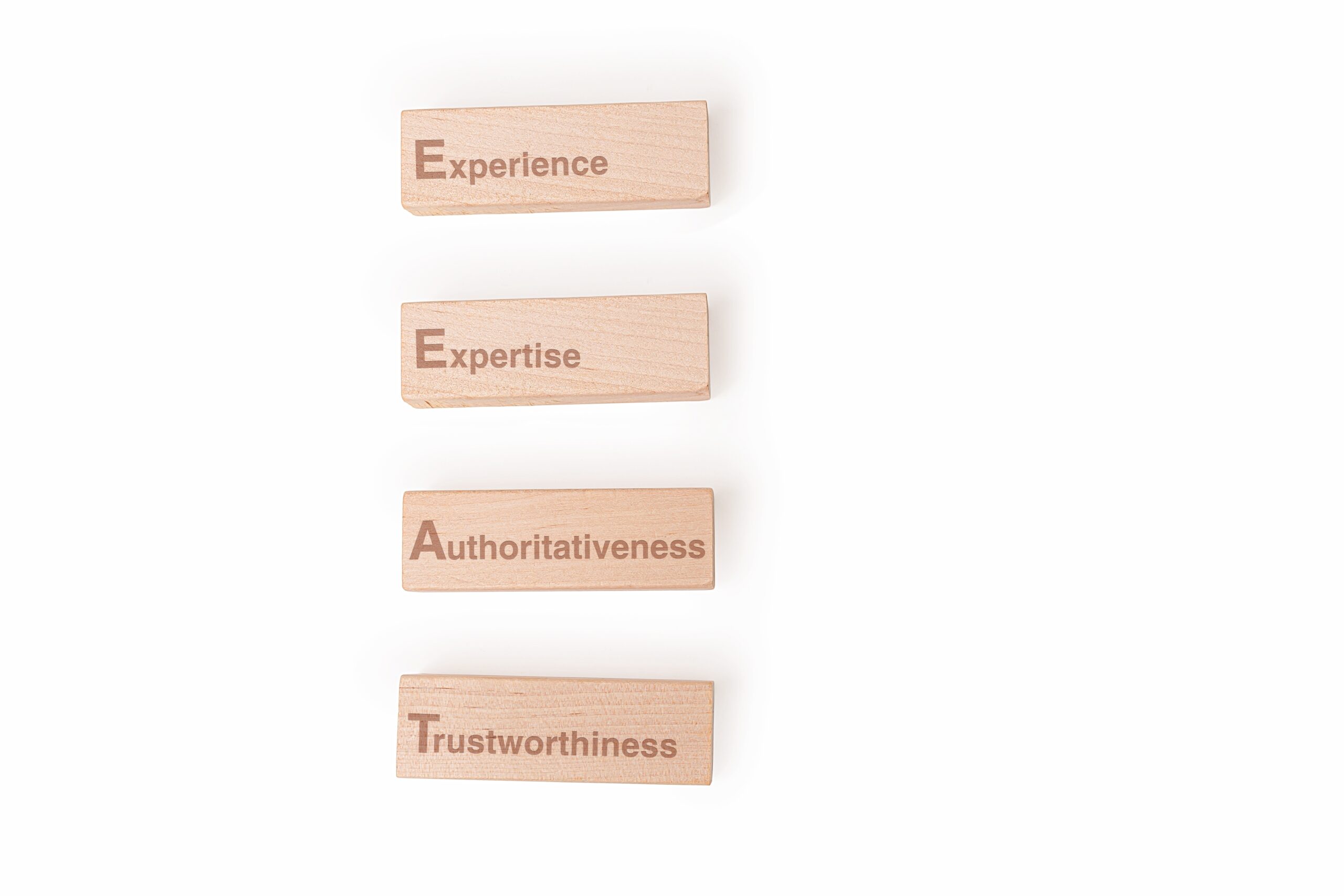
- Google treats mental health as a YMYL topic and judges credibility through its E-E-A-T framework: Experience, Expertise, Authoritativeness, and Trustworthiness.
- Your 'About Me' page is the most critical page for authority, listing credentials, license, education, specialized training, and quantified experience.
- A professional headshot and detailed bio humanize you and help potential clients feel a personal connection before booking.
- Sharing de-identified clinical insights demonstrates practical experience and expertise while protecting client confidentiality.
As a mental health professional, your ability to build trust is the cornerstone of your practice. In a clinical setting, this trust is cultivated through empathy, expertise, and unwavering confidentiality. But in today's digital world, the process of building trust often begins long before a client steps into your office. It starts online, where potential clients search for credible, authoritative voices to guide them through their most vulnerable moments.
Building online authority is no longer just a marketing strategy; it is an ethical extension of your professional practice. It’s about establishing yourself as a reliable, knowledgeable, and trustworthy resource in a crowded and often noisy digital space. This not only helps you connect with the clients you are best suited to help but also aligns perfectly with what search engines like Google want to see. By focusing on building genuine authority, you can enhance your online visibility and grow your practice in a way that feels authentic and impactful. This guide offers actionable strategies for therapists to build a powerful and respected online presence.
The Foundation of Authority: Google’s E-E-A-T Framework
To understand how to build authority online, you first need to know how it's measured. Google evaluates content, especially in high-stakes fields like mental health, using its E-E-A-T framework. Mental health is considered a "Your Money or Your Life" (YMYL) topic, meaning the quality of information can significantly impact a person's well-being. Therefore, Google’s standards are exceptionally high.
E-E-A-T stands for:
- Experience: Do you have real-world, practical knowledge of the topics you discuss? This is your clinical experience.
- Expertise: Are you qualified to be giving this information? These are your verifiable credentials.
- Authoritativeness: Is your reputation recognized by others in your field? This is your standing in the professional community.
- Trustworthiness: Is your site secure, your information accurate, and your practice transparent? This is the bedrock of your online presence.
Building online authority is the process of actively demonstrating these four pillars on your website and across the web.
Get a FREE Audit
We'll perform a comprehensive SEO, AEO, GEO & CRO audit of your website — completely free — and show you exactly how to outrank your competitors.
Don't have a site yet? Get in touch →
Showcase Your Expertise and Experience
Before a potential client will trust your advice, they need to trust your qualifications. Your website must make it immediately clear who you are and why you are an expert.
Craft a Comprehensive Professional Bio
Your "About Me" page is the most critical piece of real estate on your website for building authority. It should be a detailed showcase of your professional journey.
- List Your Credentials: Clearly state your full name, your license (LPC, LCSW, LMFT, PsyD, etc.), and the states where you are licensed to practice. Including your license number adds a layer of verifiability.
- Detail Your Education: Mention your graduate degrees and the institutions from which you earned them.
- Highlight Specialized Training: If you have certifications in specific modalities like EMDR, Gottman Method, or Internal Family Systems (IFS), feature them prominently. This demonstrates a commitment to ongoing education and specialized expertise.
- Quantify Your Experience: Instead of saying you have "experience," be specific. For example, "With over a decade of clinical experience, I have dedicated more than 5,000 hours to working with individuals navigating anxiety and trauma."
- Include a Professional Headshot: A warm, high-quality photo humanizes you and helps potential clients feel a personal connection.
Share De-Identified Insights, Not Just Facts
Your blog and other content should reflect your years of hands-on experience. You can do this ethically by sharing general themes and insights from your clinical work without ever revealing confidential information.
- Instead of: "My client last week said..."
- Try: "A common pattern I've observed in my work with new parents is the feeling of losing one's identity. This often manifests as..."
This approach showcases your deep, practical understanding of your clients' struggles, which is a powerful demonstration of both Experience and Expertise.
Create and Publish Authoritative Content
To be seen as an authority, you must contribute valuable knowledge to the conversation. A blog is the most effective tool for this. Each post is an opportunity to demonstrate your expertise and help someone in need.
Answer the Questions Your Clients Are Asking
The best content ideas come directly from the challenges your clients face. Think about the most common questions they ask or the psychoeducational topics you frequently cover in sessions. Turn these into blog posts.
- "How to Set Boundaries with Family During the Holidays"
- "Understanding the Difference Between Burnout and Depression"
- "5 Grounding Techniques to Use During a Panic Attack"
Write with Empathy and Clarity
Your audience is not your peers. Avoid using clinical jargon and write in a clear, accessible, and compassionate voice. The goal is to make people feel understood and empowered, not confused.
Back Up Your Content
When appropriate, link to reputable sources like the National Institute of Mental Health (NIMH), the American Psychological Association (APA), or peer-reviewed studies. Citing authoritative sources adds credibility to your writing and aligns with Google's E-E-A-T guidelines.
Engage with the Broader Mental Health Community
Authority is not built in a vacuum. It is reinforced when your expertise is recognized by others. Engaging with your professional community is a powerful way to build your reputation.
Guest Post on Other Reputable Websites
Writing an article for another well-regarded mental health blog, wellness publication, or professional organization's website is an excellent way to build authority. This puts your name and expertise in front of a new audience and typically earns you a "backlink" to your website, which is a strong positive signal for SEO.
Collaborate with Other Professionals
Partner with other health and wellness professionals in your community. You could co-host a local workshop, appear as a guest on a nutritionist's podcast, or write a collaborative blog post with a local physician. These partnerships introduce you to new referral sources and signal your active participation in the broader health community.
Seek Out Media Opportunities
Position yourself as an expert source for local journalists writing about mental health topics. You can use services like Help a Reporter Out (HARO) to find these opportunities. Being quoted in a news article, even a local one, is a powerful third-party endorsement of your authority.
Double Down on Trustworthiness
Every aspect of your online presence should reinforce that you are a trustworthy and professional practitioner.
- Secure Your Website: Your site must have an SSL certificate (
https://). An insecure website is an immediate deal-breaker for both users and Google. - Use HIPAA-Compliant Tools: Ensure your contact forms and online schedulers are fully HIPAA-compliant. This is a non-negotiable demonstration of your commitment to client confidentiality.
- Be Transparent: Your contact information and professional policies should be easy to find. A clear Privacy Policy is essential.
Building Authority is an Authentic Path to Growth
For therapists, building online authority is not about becoming a "guru" or chasing internet fame. It is about extending the trust and safety of your practice into the digital realm. By systematically showcasing your expertise, sharing your experience ethically, contributing valuable content, and engaging with your community, you create a powerful and authentic online presence.
This approach will not only help your website rank higher in search results but will also attract the clients who are the best fit for your unique skills and approach. It allows you to grow your practice by doing what you do best: offering credible, compassionate guidance to those who need it most.
Frequently Asked Questions
What is Google's E-E-A-T framework and why does it matter for therapists?
Why is mental health considered a 'Your Money or Your Life' topic?
What should a therapist include in their professional bio?
How can I share clinical insights online without breaking confidentiality?
Why is building online authority important for growing a practice?
Put this into action with eSEOspace
We help businesses grow with website development that actually performs. Explore the services behind this guide:
Get a FREE GEO/AEO/SEO Audit
We'll analyze your site's SEO, GEO, AEO & CRO — completely free — and show you exactly how to get found across Google and AI answers.
Don't have a site yet? Get in touch →
Great — your audit is on the way!
We'll send your free SEO/GEO/AEO/CRO audit within the next few hours. Where should we send it?
You're all set! ✓
Your free audit is being prepared — check your inbox in the next few hours. Talk soon!


On this page






