



Blog
Modular Design Systems for Fast Scaling Across Your Digital Assets

Key Takeaways
- Modular design breaks websites into reusable, interchangeable components—like LEGO blocks—that assemble into new pages instead of building from scratch.
- Reusable component libraries let teams deploy new campaigns, landing pages, and microsites in days rather than weeks.
- Embedding brand guidelines into shared modules guarantees consistent typography, colors, and buttons across every digital touchpoint.
- Centralized components cut costs because updates propagate everywhere at once and eliminate repetitive design and development work.
- Core building blocks include style guides, branding modules, content and layout blocks, and responsive grid systems.
Building a digital presence that grows with your business shouldn't require rebuilding everything from scratch each time you expand. Yet many companies find themselves trapped in expensive, time-consuming development cycles every time they launch a new product, enter a new market, or update their brand.
The solution lies in modular design—a strategic approach that transforms how businesses build and scale their digital assets. This comprehensive guide explores how modular site design can accelerate your growth while maintaining consistency and reducing costs.
What is Modular Design in Web Development?
Modular design is a development strategy that breaks websites and digital assets into reusable, interchangeable components. Think of it like building with LEGO blocks—each piece serves a specific function and can be combined in countless ways to create different structures.
In web development, these "blocks" are design components, code modules, and content templates that work together seamlessly. Instead of creating each webpage or digital asset from scratch, developers assemble pre-built modules that maintain consistency while offering flexibility.
Traditional custom builds approach each project as a unique creation. Every button, form, navigation menu, and content section gets designed and coded individually. This method works for one-off projects but becomes inefficient and expensive when scaling across multiple sites, campaigns, or platforms.
Modular site design flips this approach. It establishes a library of standardized components that can be mixed, matched, and customized to create new digital experiences quickly. A button module designed once can appear across your main website, landing pages, email templates, and mobile apps with consistent styling and functionality.
The benefits of this approach extend far beyond efficiency. Modular design ensures brand consistency across all digital touchpoints, reduces development costs by eliminating repetitive work, and creates scalability that grows with your business needs.
Why Modular Site Design Matters for Scaling
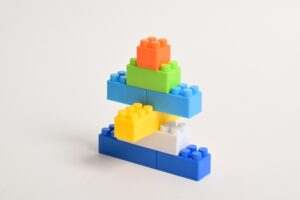
Speed becomes your competitive advantage when you can deploy new pages, campaigns, and microsites in days instead of weeks. Modular design systems eliminate the bottlenecks that slow down digital initiatives.
Marketing teams no longer wait months for developers to build campaign landing pages. Product launches happen faster when you can quickly assemble promotional sites from existing components. Expansion into new markets becomes feasible when you don't need to rebuild your entire digital presence from scratch.
Brand consistency poses a major challenge as businesses grow. Different teams, agencies, and time periods often result in inconsistent user experiences across digital properties. Visitors might encounter different button styles, conflicting color schemes, or varying typography that weakens brand recognition and trust.
Modular site design solves this challenge by ensuring every digital asset draws from the same component library. Your brand guidelines become embedded in reusable modules, making it nearly impossible for inconsistencies to slip through. Whether a customer visits your main website, product microsite, or campaign landing page, they experience a cohesive brand presentation.
Cost reduction becomes substantial over time. While initial modular design system development requires investment, the long-term savings compound quickly. You avoid paying for repetitive design and development work. Updates happen across all properties simultaneously when you modify a component. Maintenance becomes centralized rather than scattered across dozens of individual projects.
Get a FREE Audit
We'll perform a comprehensive SEO, AEO, GEO & CRO audit of your website — completely free — and show you exactly how to outrank your competitors.
Don't have a site yet? Get in touch →
Key Components of a Modular Design System
Style Guides & Branding Modules
Your visual identity forms the foundation of every modular design system. These modules define typography hierarchies, color palettes, button styles, spacing rules, and grid systems that maintain brand consistency across all applications.
Typography modules establish font families, sizes, weights, and line spacing for headers, body text, captions, and special elements. Color modules define primary, secondary, and accent colors along with their approved combinations and usage guidelines. Button modules specify different button types—primary calls-to-action, secondary actions, and text links—with consistent styling and hover states.
Grid systems provide the structural framework that ensures content alignment and visual harmony across different screen sizes and devices. These modules make responsive design automatic rather than requiring custom solutions for each project.
When every digital asset draws from these standardized branding modules, your brand recognition strengthens. Customers develop familiarity with your visual language, building trust and professional credibility across all touchpoints.
Content & Layout Blocks
Content modules transform how quickly you can create new pages and sections. These pre-built templates handle common content types like hero sections, feature lists, testimonials, team profiles, and product showcases.
Layout blocks provide structural templates for entire page types—homepage layouts, product pages, blog post formats, landing page structures, and contact pages. Each template offers customization options while maintaining design consistency and best practices.
The flexibility lies in the combinations. A product launch might use a hero module, feature comparison block, testimonial section, and FAQ module arranged in different sequences. A campaign landing page might combine the same hero module with a different feature block and pricing table.
This approach eliminates the design paralysis that comes with blank page syndrome. Instead of starting from scratch, content creators choose from proven templates and focus on crafting compelling messages rather than wrestling with layout decisions.
Interactive & Functional Modules
User interactions drive conversions and engagement, making functional modules crucial for business success. These components handle forms, navigation menus, search functionality, calls-to-action, and interactive elements that encourage user engagement.
Form modules standardize lead capture, contact forms, newsletter signups, and checkout processes across all properties. Navigation modules ensure consistent user experience whether visitors browse your main site, product pages, or campaign microsites. Search modules provide unified functionality that helps users find relevant content quickly.
Interactive elements like accordions, tabs, image galleries, and video players maintain consistent behavior and styling. Animation and transition modules add polish while ensuring smooth performance across devices and browsers.
The power of these modules becomes apparent during campaigns and product launches. A well-designed call-to-action module tested on your main website can immediately deploy across all campaign materials with confidence in its conversion performance.
Benefits of Modular Design Systems for Businesses

Speed transforms your ability to capture market opportunities. When competitors take months to launch new initiatives, you can respond in weeks or days. Product launches align with marketing campaigns because technical limitations don't create delays.
Marketing teams gain independence from development bottlenecks. They can create landing pages, microsites, and campaign materials using approved components without requiring custom development work. This autonomy accelerates testing, iteration, and optimization cycles.
Consistency builds stronger brand recognition and user trust. When every interaction reinforces familiar design patterns and visual elements, customers develop confidence in your brand. Navigation becomes intuitive because users learn your interface once and apply that knowledge across all properties.
Error reduction happens naturally when teams work with tested, proven components. Broken layouts, inconsistent styling, and functionality bugs decrease because components undergo thorough testing before entering the module library.
Scalability supports business growth without proportional increases in development costs. Entering new markets, launching product lines, or expanding service offerings doesn't require rebuilding your digital foundation. Instead, you extend existing systems with new content and minor customizations.
Collaboration improves between marketing and development teams. Shared component libraries create common vocabulary and understanding. Marketing requests become clearer because they reference specific modules. Development work becomes more predictable because requirements fit within established patterns.
How eSEOspace Implements Modular Site Design
eSEOspace transforms businesses through strategic modular design implementation that balances flexibility with consistency. Our process begins with collaborative workshops where we analyze your brand, user needs, and business objectives to define the optimal module library.
These discovery sessions identify your most common content types, user interactions, and design patterns. We examine your current digital assets, competitor landscapes, and industry best practices to create comprehensive component strategies. The result is a roadmap that prioritizes high-impact modules while planning for future expansion.
Our development team builds flexible design systems using modern frameworks and technologies. Each component undergoes rigorous testing for performance, accessibility, and cross-browser compatibility. We create detailed documentation that enables your team to use and extend the system effectively.
SEO optimization integrates into every module from the ground up. Header tags follow proper hierarchy, image modules include alt text fields, and content blocks structure data for search engine visibility. Performance optimization ensures fast loading times that improve both user experience and search rankings.
We provide training and ongoing support that empowers your team to maximize the system's potential. Marketing teams learn to create compelling pages using the module library. Developers understand how to extend and customize components for special requirements.
Our modular site design services include comprehensive testing and optimization cycles. We monitor component performance, user engagement, and conversion rates to continuously improve your module library. Regular updates ensure compatibility with new technologies and evolving best practices.
Future-Proofing with Modular Design
Technology landscapes shift rapidly, but modular design systems adapt to change rather than becoming obsolete. New platforms, devices, and user expectations don't require complete rebuilds when your digital foundation consists of flexible, updateable components.
Mobile responsiveness becomes automatic when components include responsive design by default. New social media platforms can integrate your brand modules for consistent presentation. Emerging technologies like voice interfaces or augmented reality can leverage existing design systems for familiar user experiences.
Maintenance costs decrease over time as centralized updates propagate across all properties simultaneously. Security patches, performance improvements, and feature enhancements happen once rather than requiring updates to dozens of individual sites and applications.
Competitive advantages compound as your modular design system matures. While competitors rebuild from scratch for each initiative, you iterate and improve existing components. Your team's expertise deepens with the system, enabling more sophisticated and effective digital experiences.
Market expansion becomes feasible when technical barriers disappear. International markets, new customer segments, and additional product lines can launch quickly using proven components adapted for specific requirements.
The investment in modular design pays dividends for years. Businesses that implement comprehensive design systems report 40-60% faster development cycles, 30-50% lower maintenance costs, and significantly improved brand consistency scores compared to traditional development approaches.
Ready to transform your digital scalability? eSEOspace specializes in creating modular design systems that accelerate growth while reducing costs. Our web development, web design, and SEO expertise ensures your modules perform beautifully and rank effectively. Contact us today to discuss how modular site design can revolutionize your digital presence and support your scaling ambitions.
Frequently Asked Questions
What is modular design in web development?
How does modular design differ from traditional custom builds?
How does modular site design help businesses scale faster?
Does modular design really improve brand consistency?
What are the core components of a modular design system?
Put this into action with eSEOspace
We help businesses grow with website development that actually performs. Explore the services behind this guide:
Get a FREE GEO/AEO/SEO Audit
We'll analyze your site's SEO, GEO, AEO & CRO — completely free — and show you exactly how to get found across Google and AI answers.
Don't have a site yet? Get in touch →
Great — your audit is on the way!
We'll send your free SEO/GEO/AEO/CRO audit within the next few hours. Where should we send it?
You're all set! ✓
Your free audit is being prepared — check your inbox in the next few hours. Talk soon!


On this page






