MCP Development. Your systems, ready for AI.
We build MCP servers and integrations that let AI apps use your product or internal systems safely, with our engineers making the decisions and reviewing every change before it ships.
We grow your business with
- CROturn traffic into leads
- SEOrank & get found
- GEOwin generative search
- AEOget cited by AI answers
What MCP development is
Connect your systems to the AI apps your team already uses
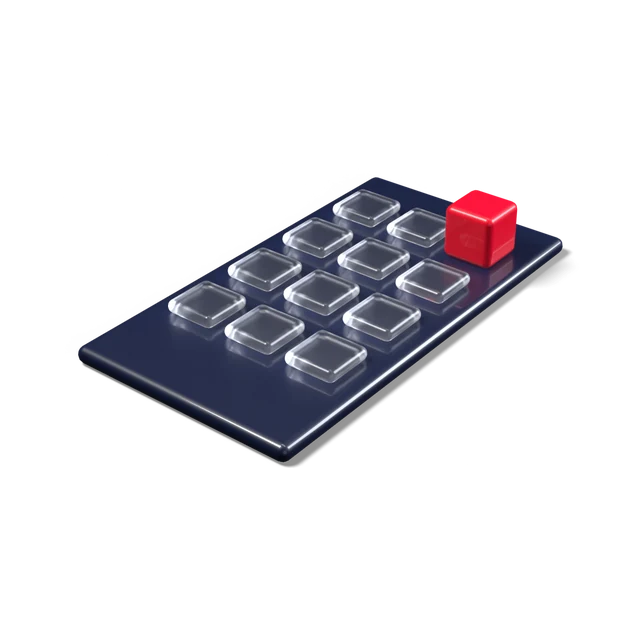
An MCP server is a small program that lets AI apps such as Claude, ChatGPT, Visual Studio Code and Cursor use your systems through the open Model Context Protocol. It decides what the AI can read, which actions it can take, and who has to approve them.
We built LedgerMCP, our own MCP-native bookkeeping product, and we build MCP servers and integrations for businesses and software companies: a server for your product so customers can use it from their AI app, or an internal server that gives your team's AI access to a database, CRM or back office. Our engineers use Claude Code to do the work and review every change before it ships.
Not sure yet whether you need a custom server? Many tools already have official ones. Our guides on building vs buying and choosing MCP servers help you decide, and the MCP Guide covers the rest.
What we build
MCP development services
Product MCP servers
A remote MCP server for your SaaS product, so customers can connect it to their AI app with a URL and a sign-in.
Internal MCP servers
Give your team's AI apps safe access to internal databases, documents, a CRM or an ERP, scoped to what each role needs.
Authentication & access
OAuth 2.1 sign-in, narrow scopes, per-user permissions and approval prompts for actions that change data.
Audits of existing servers
A review of an MCP server you already run: tool design, permissions, input handling, logging and spec compliance.
Registry listing & docs
Publishing to the official MCP Registry, setup docs for each AI app, and a page buyers can find.
Maintenance
Spec updates, dependency upgrades and monitoring as the protocol and the AI apps change.



Our own MCP product
We built LedgerMCP
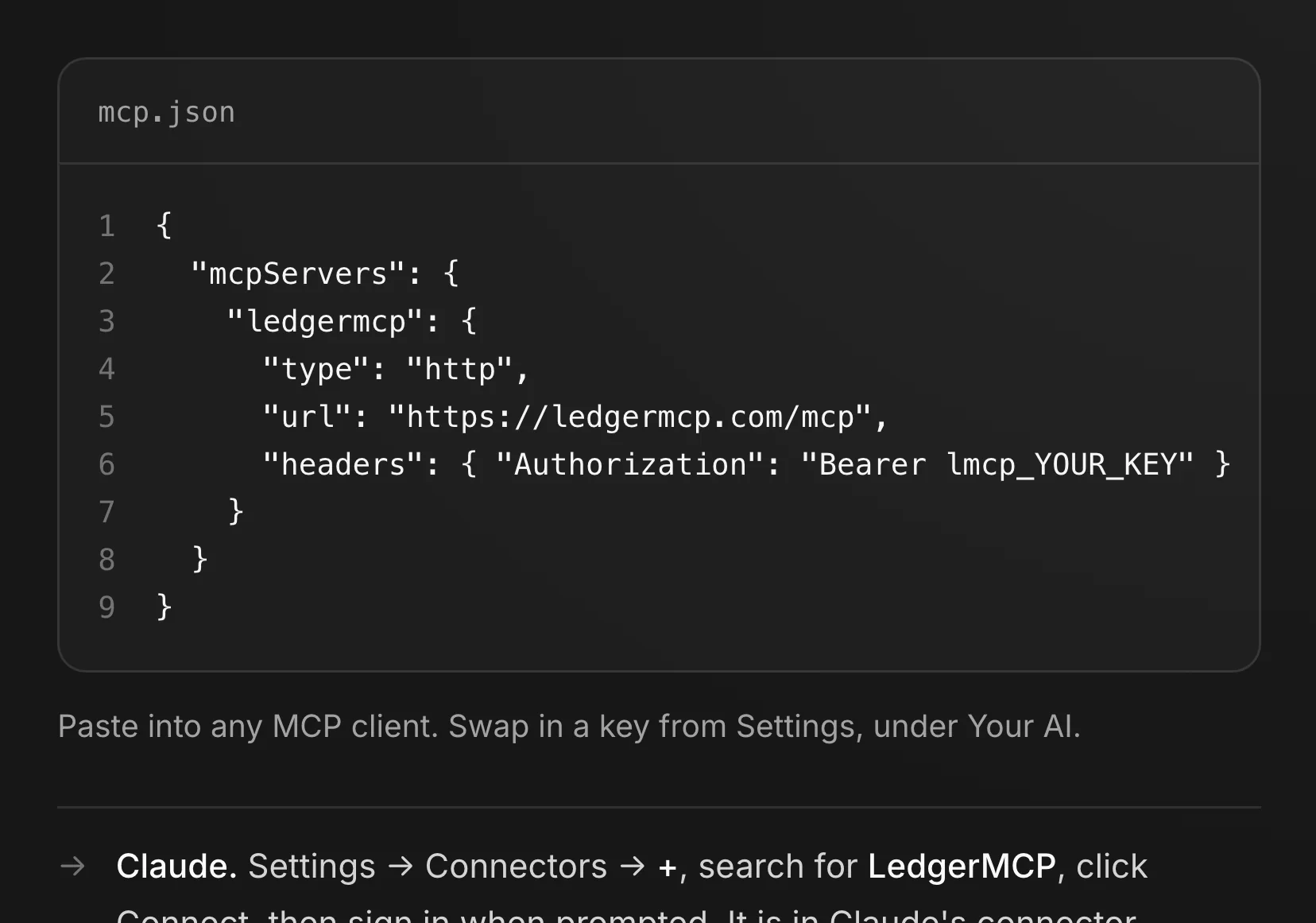
LedgerMCP is double-entry bookkeeping software with an MCP server built in, made by the eSEOspace team. An AI assistant such as Claude, ChatGPT or Cursor connects to it and keeps the books: it imports statements, categorizes transactions, reconciles accounts and runs reports.
LedgerMCP's docs list 74 tools: 27 that only read and 47 that write. Read-only API keys can run every list and report but cannot change the books, and the site says every AI change is logged with its author and can be reversed. Those are the same safeguards we build into client servers. The LedgerMCP spotlight covers features and pricing.
How we work
The guardrails on every MCP project
An MCP server gives an AI real access to real systems, so the process matters as much as the code.
- Read-only first, write access only when needed
- Least-privilege credentials per tool
- OAuth instead of shared API keys
- Approval prompts for risky actions
- Inputs validated, outputs size-limited
- No secrets in tool responses
- Every tool call logged
- Tested against the 2026-07-28 spec
- Tested in the AI apps you name
- Everything in git, reviewed by an engineer
- Staging before production
- Handover docs your team can use
The process
How an MCP project runs
Fixed scope, visible progress, and a person signing off at each gate.
Scope
We agree which systems the server touches, which tools it exposes, who can use it and what done looks like.
Design the tools
Tool names, inputs, outputs and permissions, written down before any code, so the AI uses them correctly.
Build
Built with the official MCP SDKs and Claude Code, on a branch, with an engineer reviewing every change.
Test
Tested with the MCP Inspector and in the AI apps you use, including failure cases and permission checks.
Launch
Deployed to your hosting, connected to your sign-in, and listed in the registry if it is public.
Support
Monitoring, updates for new spec versions and changes as your team finds new uses.
Pricing
Quoted per project
MCP projects are quoted as a fixed scope after a short call; the price depends on the systems involved, sign-in and access rules, and whether the server is public. What drives the price is covered in MCP server development cost. AI app subscriptions and hosting are billed by their providers, separately from our fees.
See our pricing →Before you hire
Guides for buyers
Questions to ask, what to put in the contract and an RFP you can copy.
How to Hire an MCP Developer: Questions, Red Flags and the MCPA
Hire an MCP developer with confidence - the skills to look for, what the MCPA certification proves, 15 interview questions, and red flags to walk away from.
Read the guide →MCP Server Development Cost in 2026: What Drives the Price
What makes an MCP server cheap or costly to build and run in 2026 - tools, auth, hosting, security review and upkeep - plus sourced numbers to budget with.
Read the guide →MCP Development Contract Terms: Ownership, Security and Support
Contract terms to discuss before hiring an MCP server developer: code ownership, open-source licenses, security, data handling, support and spec updates.
Read the guide →MCP Project RFP Template (Copy and Use)
A free MCP project RFP template to copy: scope, tools, security, OAuth, testing, hosting, support and pricing sections, plus tips for scoring replies.
Read the guide →
Project Managers who will work with you on your project!
 Irina S.
 Benjamin G.
 David G.
 Jeanette M.
 Mark S.
 Maryna P.
FAQ
Common questions
What is MCP development?
Do I need a custom MCP server?
Which AI apps will the server work with?
Which languages do you build in?
How long does an MCP project take?
Can you market the server after launch?
Have an MCP project in mind?
Book a free strategy call. Tell us which systems you want AI apps to reach, and we'll outline the scope, the safeguards and a fixed quote.
Book a Strategy Call →