



Blog
How to Build a Website That Supports Your Business Growth from the Start
Key Takeaways
- Handle the basics first — domain name, hosting, and essential tools — before choosing a theme or writing any content for your site.
- A domain name is a business decision: keep it short, check social-platform availability, and favor a clean .co over a wordy .com.
- Structure matters more than design; visitors should know within seconds what you do, who you serve, and what to do next.
- Technical foundations like fast hosting, an active SSL certificate, mobile performance, and analytics directly affect your ability to grow.
- Write clear, specific content for someone who knows nothing about your business, and give your contact page special attention to reduce friction.
Most new business owners treat their websites as an afterthought — something to figure out once the "real" work is done. The result is usually a site that looks fine but doesn't actually do much for the business. Getting it right from the beginning means thinking about more than just colors and copy. Your website needs a technical foundation, a clear structure, and tools that support the direction you want to grow in.
Before you pick a theme or write a single sentence of content, handle the basics: your domain name, hosting, and the tools your business will actually need. A domain is easy to overlook until you realize the one you wanted is already taken, or you've set up email without thinking about professional branding.
Resources like https://www.namecheap.com/apps/business-starter-kit/ combine these essentials, so you're not piecing things together from five different providers. That kind of setup matters because fixing a fragmented foundation later costs real time.
Your Domain Name Is a Business Decision
Short, memorable, and as close to your actual business name as possible — that's the standard advice, and it's good advice. But there are a few things worth adding.
Check whether the name you want is available across major social media platforms before you register it. Owning the .com but having someone else on Instagram and LinkedIn creates unnecessary friction for customers trying to find you. Also, think about how the name reads when typed without spaces. Some combinations of words look unintentional or confusing as a URL.
If your top choice isn't available, consider a .co or a country-code domain over adding unnecessary words to squeeze in the .com. A clean, direct name on a less common extension tends to work better than a wordy .com.
Website Structure vs. Website Design
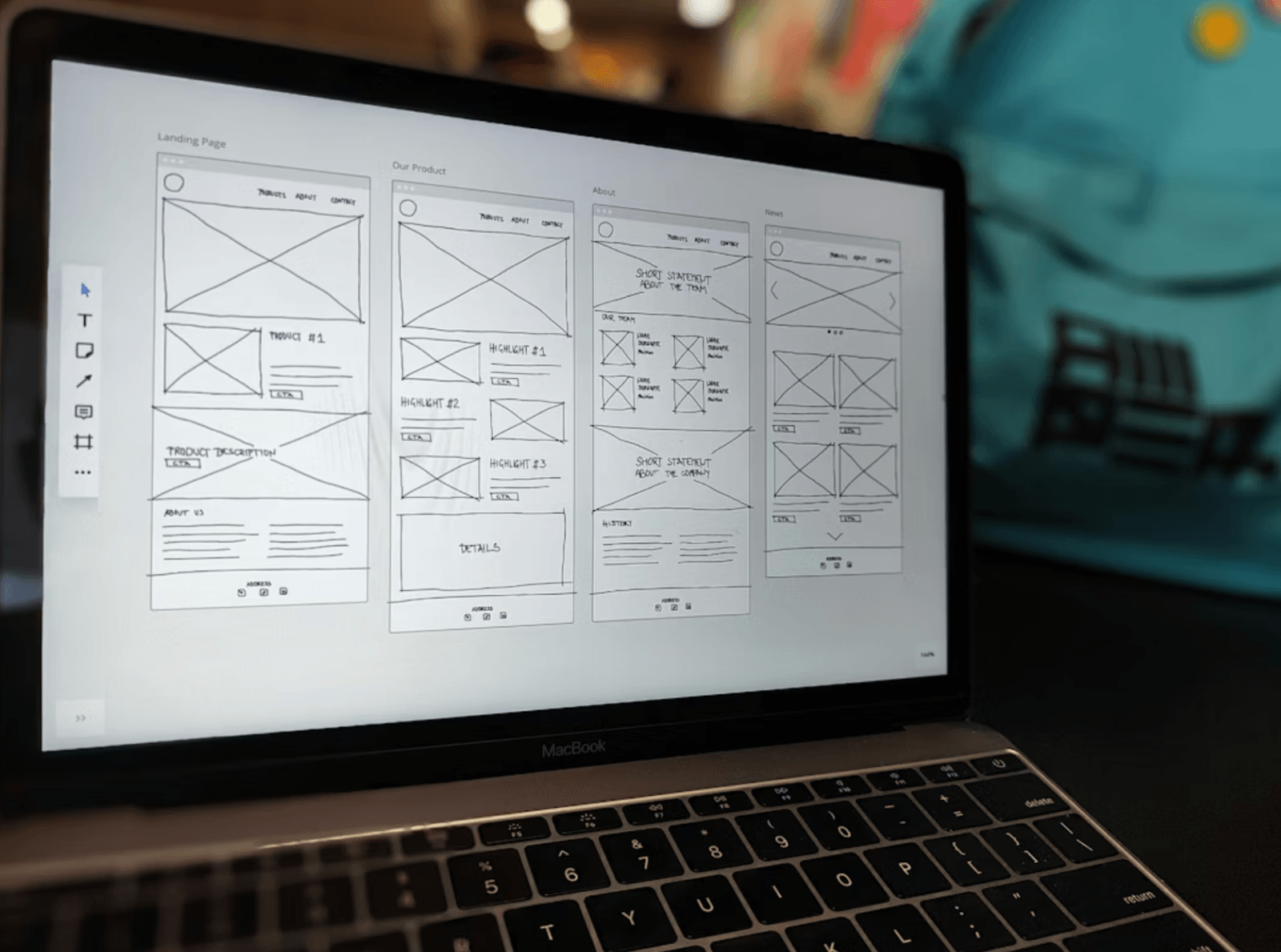
These two things often get confused. Design is what your site looks like. Structure is how information is organized and how visitors move through it.
Good structure means a visitor should know within seconds what you do, who you serve, and what they should do next. That's not easy to achieve. Most small business websites fail here — they bury the most important information below the fold, use vague headlines, or build navigation that makes sense to the founder but not to anyone else. An AI chatbot for website can significantly improve user experience by providing instant answers, guiding visitors to the right pages, and reducing friction in the decision-making process, especially when traditional navigation is not enough to handle user intent in real time.
A few structural principles that can help you regardless of your industry:
- Homepage: State clearly what you do and who you help. Include one primary call to action.
- About page: Focus on why your business exists and what makes your approach different — not just a biography.
- Services or products page: Make it specific, with enough detail to answer the questions people actually have before they decide to contact you.
- Contact page: It must be easy to find. Include multiple contact options if your customers expect them.
The clarity of each page is more important than the number of pages on your site.

Technical Foundations That Affect Growth
A slow website costs you customers. Google has been using page speed as a ranking factor for years, and visitors tend to leave pages that take more than a few seconds to load. This isn't a minor issue — in this survey, about 88% of respondents said slow loading was the primary reason for leaving a website.
A few technical priorities to address from the start:
- Hosting quality: Shared hosting is fine for low-traffic sites, but if you expect growth, check what your host offers in terms of upgrade paths. Switching hosts later is possible but disruptive.
- SSL certificate: This is non-negotiable. Most hosting providers include one, but verify it's active. Browsers now flag HTTP sites as "not secure," which immediately affects visitor trust.
- Mobile performance: Test your site on a phone, not just a desktop, and check that forms, buttons, and menus actually work on smaller screens.
- Analytics setup: Configure Google Analytics or an equivalent tool before you launch. You can't improve what you don't measure.
Get a FREE Audit
We'll perform a comprehensive SEO, AEO, GEO & CRO audit of your website — completely free — and show you exactly how to outrank your competitors.
Don't have a site yet? Get in touch →
The Content Your Site Needs Before You Go Live
You don't need a blog or a hundred pages at the beginning. You need clear, accurate, useful content on the pages that matter most. Write for the person who knows nothing about your business and has arrived on your site with a specific problem they want solved.
Avoid writing that describes what you do without explaining why it helps someone. "We offer comprehensive digital solutions" tells a visitor nothing. “We help small manufacturers track inventory without spreadsheets" tells them everything they need to decide whether to keep reading.
Your contact page deserves special attention. Include your response time, who they'll hear from, and what information they should provide upfront. Small details like this reduce friction and signal that you run an organized operation.
Frequently Asked Questions
What should I set up before choosing a website theme or writing content?
How do I choose a good domain name for my business?
What is the difference between website structure and website design?
Why does website speed and technical setup matter for growth?
What content do I need before launching my website?
Put this into action with eSEOspace
We help businesses grow with website development that actually performs. Explore the services behind this guide:
Get a FREE GEO/AEO/SEO Audit
We'll analyze your site's SEO, GEO, AEO & CRO — completely free — and show you exactly how to get found across Google and AI answers.
Don't have a site yet? Get in touch →
Great — your audit is on the way!
We'll send your free SEO/GEO/AEO/CRO audit within the next few hours. Where should we send it?
You're all set! ✓
Your free audit is being prepared — check your inbox in the next few hours. Talk soon!








