



Blog
What Is Healthcare Software? A Complete Guide for Buyers
Key Takeaways
- Healthcare software is any program built to automate, manage, and simplify the complex processes of delivering patient care and running a facility.
- It acts as a digital backbone that connects disparate systems into one unified, secure, compliant, and patient-centric ecosystem.
- Automating routine administrative tasks like scheduling and billing frees staff to focus on critical, patient-facing activities and boosts productivity.
- Instant access to patient histories, allergies, medications, and lab results through EHR systems helps clinicians reduce medical errors and improve care.
- Medical billing and revenue cycle software cuts errors, speeds reimbursement, and improves cash flow through accurate coding and automated verification.
Navigating the world of healthcare technology can feel complex. With new tools and platforms emerging constantly, understanding what you need is the first step toward improving patient care and operational efficiency. Healthcare software is at the center of this transformation, offering solutions that streamline workflows, enhance patient engagement, and provide critical data insights.
This guide is designed for buyers, from clinic managers to hospital administrators, who need a clear understanding of healthcare software. We will define what it is, explore its various types, and highlight the benefits of integrating these tools into your practice. You will also learn about the modern technologies shaping the future of healthcare app development and how to make the right choice for your organization.
What Is Healthcare Software?
Healthcare software refers to any computer program or application designed for use in the medical and healthcare industries. Its primary purpose is to automate, manage, and simplify the complex processes involved in delivering patient care and running a healthcare facility. This can range from managing patient records and scheduling appointments to processing billing and facilitating remote consultations.
At its core, this software helps healthcare providers reduce manual tasks, minimize human error, and improve the overall quality of care. It acts as a digital backbone for modern medical practices, connecting disparate systems and creating a unified, efficient ecosystem. Whether you run a small private clinic or a large hospital network, the right healthcare software can revolutionize how you operate, making your processes more secure, compliant, and patient-centric.
The Key Benefits of Integrating Healthcare Software
Adopting specialized software solutions brings a wealth of advantages to any healthcare organization. These benefits extend beyond simple convenience, impacting everything from your financial bottom line to the quality of patient outcomes.
1. Improved Efficiency and Productivity
One of the most significant benefits is the automation of routine administrative tasks. Manually booking appointments, managing paper records, and handling billing are time-consuming and prone to error. Healthcare software automates these processes, freeing up your staff to focus on more critical, patient-facing activities. This leads to a more productive team and a smoother workflow throughout your facility.
2. Enhanced Quality of Patient Care
With instant access to comprehensive patient histories, allergies, medications, and lab results, clinicians can make more informed decisions. Electronic Health Record (EHR) systems ensure that all relevant information is available at the point of care, reducing the risk of medical errors. Features like automated reminders for medication and appointments also help improve patient adherence to treatment plans.
3. Better Financial Management
Medical billing and revenue cycle management software streamlines the entire billing process. From claim submission and verification to payment processing and denial management, these tools reduce billing errors and accelerate reimbursement cycles. This leads to improved cash flow and greater financial stability for your practice. Accurate coding and automated verification also decrease the likelihood of costly claim denials.
4. Strengthened Data Security and Compliance
Protecting sensitive patient information is a top priority. Reputable healthcare software is designed with robust security measures to safeguard data against unauthorized access and breaches. These systems help you maintain compliance with regulations like the Health Insurance Portability and Accountability Act (HIPAA), providing features such as data encryption, access controls, and audit trails.
5. Increased Patient Engagement
Modern healthcare software often includes patient-facing tools like secure portals and mobile apps. These platforms empower patients to take an active role in their health management. They can schedule appointments, view test results, communicate securely with their providers, and access educational resources. Higher patient engagement is strongly linked to better health outcomes and increased patient loyalty.
Types of Healthcare Software Every Buyer Should Know
The healthcare software market is vast, with different solutions tailored to specific needs. Understanding the main categories will help you identify which tools are right for your organization.
Electronic Health Record (EHR) Software
EHR software is the digital version of a patient's paper chart. It is a real-time, patient-centered record that makes information available instantly and securely to authorized users. An EHR contains a patient's medical history, diagnoses, medications, treatment plans, immunization dates, allergies, radiology images, and lab results.
- Key Features: Clinical charting, e-prescribing, order entry, decision support, patient portal.
- Best For: All healthcare providers, from solo practitioners to large hospitals, who need a central repository for patient data.
Practice Management Software (PMS)
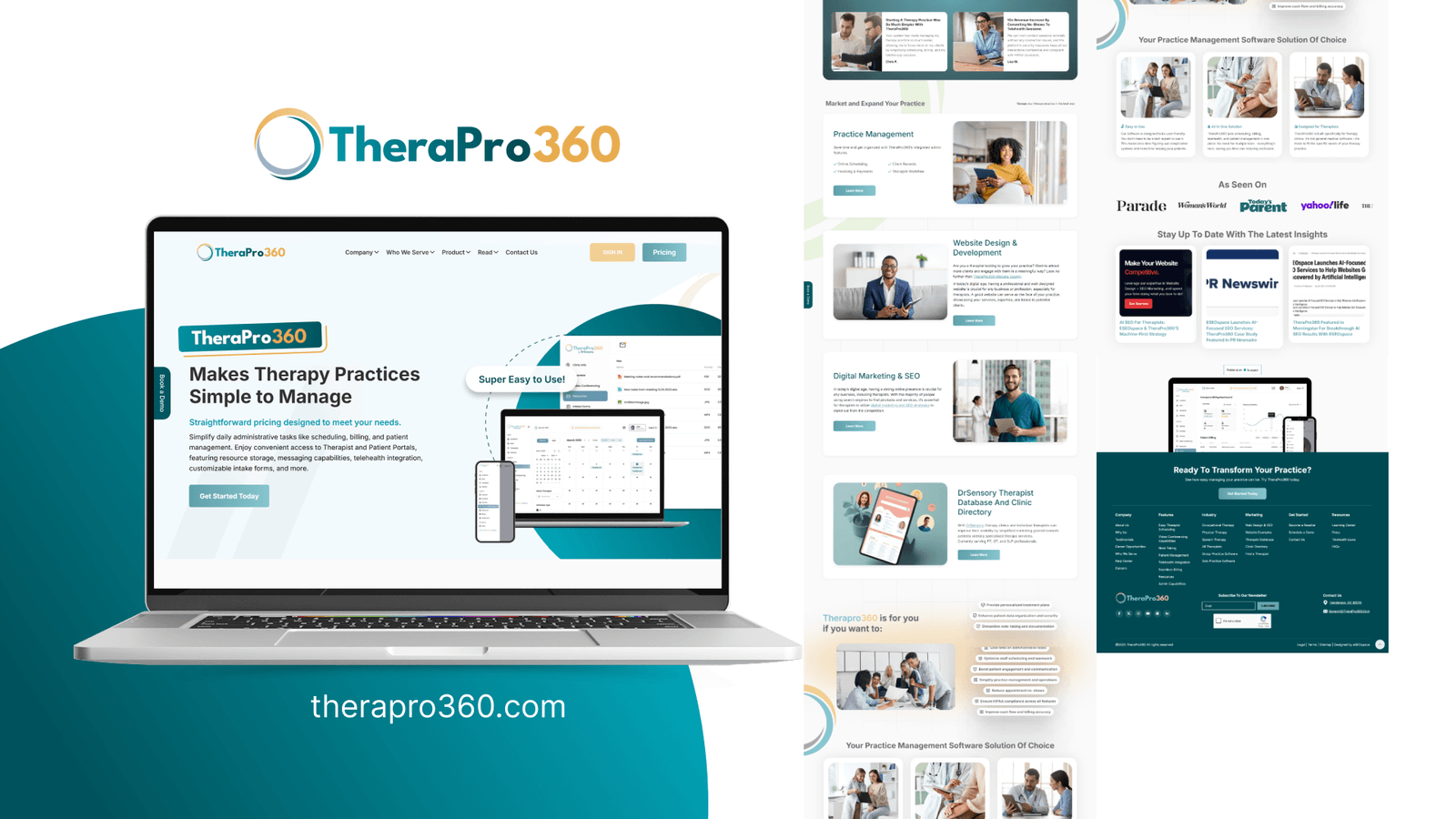
While EHRs focus on the clinical side, Practice Management Software handles the administrative and financial aspects of a medical practice. It automates tasks like appointment scheduling, patient registration, and billing. Modern practice management solutions can also include dedicated appointment-booking tools such as Amelia and Trafft, which help healthcare organizations manage online bookings, staff availability, appointment scheduling, and related administrative workflows. These tools can be particularly useful for clinics and healthcare practices looking to make scheduling more convenient for both staff and patients. Many modern solutions integrate EHR and PMS capabilities into a single, cohesive system to provide a comprehensive view of both clinical and operational data.
- Key Features: Appointment scheduling, medical billing, insurance claim management, reporting and analytics.
- Best For: Clinics and medical offices looking to streamline their front-office operations and revenue cycle.
Get a FREE Audit
We'll perform a comprehensive SEO, AEO, GEO & CRO audit of your website — completely free — and show you exactly how to outrank your competitors.
Don't have a site yet? Get in touch →
Telemedicine Software
Telemedicine software facilitates remote consultations between patients and healthcare providers through video calls, phone calls, or secure messaging. The COVID-19 pandemic accelerated its adoption, making it an essential tool for modern healthcare delivery. It allows for continuity of care when in-person visits are not possible or convenient.
- Key Features: Secure video conferencing, virtual waiting rooms, appointment scheduling, integration with EHRs.
- Best For: Providers who want to offer virtual care, expand their reach, and improve access for patients with mobility or transportation challenges.
Medical Billing and Revenue Cycle Management (RCM) Software
This specialized software manages the entire financial lifecycle of a patient account, from initial appointment to final payment. RCM software helps healthcare organizations optimize their revenue by automating claim submission, tracking payments, and managing denials. It ensures accuracy in medical coding and billing, which is crucial for maximizing reimbursements.
- Key Features: Claims scrubbing, payment posting, denial management, eligibility verification, financial reporting.
- Best For: Practices and hospitals seeking to improve their financial performance and reduce the administrative burden of billing.
Patient Engagement Software
Patient engagement software provides tools that encourage patients to become active participants in their own care. This includes patient portals, automated appointment reminders, secure messaging platforms, and educational resources. By making healthcare more accessible and interactive, these tools can improve patient satisfaction and health outcomes.
- Key Features: Patient portal, appointment reminders (SMS/email), secure messaging, satisfaction surveys, health education materials.
- "Best For: Organizations aiming to build stronger patient relationships and improve adherence to treatment plans.
e-Prescribing Software
e-Prescribing software allows clinicians to electronically send accurate, error-free prescriptions directly to a pharmacy from the point of care. It is a crucial component of modern EHR systems. This technology helps reduce medication errors caused by illegible handwriting, provides alerts for potential drug interactions, and improves medication adherence.
- Key Features: Electronic prescription transmission, medication history access, drug interaction alerts, formulary checks.
- Best For: Any provider who prescribes medication and wants to enhance patient safety and workflow efficiency.
The New Frontier: How Modern Tech is Transforming Healthcare App Development
The landscape of healthcare software is rapidly evolving, driven by advancements in cloud computing, database technology, and security. For those considering custom healthcare app development, understanding these modern tools is essential. They enable developers to build faster, more secure, and highly scalable applications. A forward-thinking software development company will leverage these technologies to create next-generation solutions.
Vercel Hosting: Speed and Scalability for the Frontend
In healthcare, application performance can directly impact user experience and, by extension, patient care. Slow-loading interfaces and downtime are unacceptable. Vercel hosting is a cloud platform specifically designed for building and deploying fast, modern web applications.
Vercel excels at hosting frontend frameworks like Next.js and React, which are popular for creating dynamic and responsive user interfaces. Its global edge network ensures that the application loads quickly for users anywhere in the world. For a patient portal or a telemedicine platform, this means a seamless, frustration-free experience. Vercel’s automated deployments and built-in scalability allow developers to push updates and handle traffic spikes without manual intervention, ensuring the application is always available and performing optimally.
Supabase: The Open-Source Powerhouse for Your Backend
Behind every great healthcare application is a robust and secure backend. Supabase is an open-source alternative to Firebase that provides developers with a suite of tools to build backends quickly. It offers a PostgreSQL database, authentication, instant APIs, and real-time subscriptions in a single, unified platform.
For healthcare app development, Supabase offers several key advantages:
- PostgreSQL Database: PostgreSQL is a powerful and reliable relational database, perfect for storing complex, structured medical data. Supabase makes it incredibly easy to set up and manage.
- Row-Level Security (RLS): This is a critical feature for HIPAA compliance. Supabase’s RLS allows developers to write fine-grained access policies directly in the database, ensuring that users can only see the data they are authorized to access.
- Real-time Capabilities: For features like live chat with a doctor or real-time updates to a patient’s chart, Supabase’s real-time engine can push data to the application instantly.
By providing these foundational services out of the box, Supabase significantly accelerates the development timeline for custom healthcare software.
Clerk for Login: Secure and Seamless Authentication
Authentication—the process of verifying a user's identity—is a cornerstone of healthcare software security. Protecting patient data starts with ensuring that only authorized individuals can access the system. Clerk for login is a complete user management and authentication service that simplifies this complex task.
Implementing secure authentication from scratch is difficult and time-consuming. Clerk provides pre-built, customizable components for sign-up, sign-in, multi-factor authentication (MFA), and user profile management. This allows developers to add enterprise-grade security to a healthcare application in minutes, not weeks.
Using a service like Clerk for login ensures that your application adheres to security best practices, protecting you and your patients from threats. It also provides a smooth login experience for users, which is vital for adoption and continued engagement.
Custom vs. Off-the-Shelf Software: Making the Right Choice
As a buyer, one of the biggest decisions you'll face is whether to purchase an existing, off-the-shelf solution or invest in custom healthcare app development. Each path has its own set of pros and cons.
Off-the-Shelf Software
Off-the-shelf solutions are pre-built software products designed to serve a broad market. They are generally faster to implement and have a lower upfront cost.
- Pros: Lower initial investment, quick deployment, predictable features, and community support.
- Cons: May not fit your specific workflows, limited customization options, you may pay for features you don't need, and vendor lock-in can be a risk.
Custom Healthcare Software
Custom software is built from the ground up to meet the unique requirements of your organization. It gives you complete control over the features, user experience, and technology stack.
- Pros: Perfectly tailored to your needs, greater flexibility and scalability, provides a competitive advantage, and you own the intellectual property.
- Cons: Higher upfront cost, longer development timeline, and requires a strong partnership with a reliable software development company.
How to Decide?
The right choice depends on your budget, timeline, and the complexity of your needs.
- Choose Off-the-Shelf if: You have standard requirements that are met by existing products, a limited budget, and a need for rapid implementation.
- Choose Custom Software if: You have unique workflows that aren't addressed by existing solutions, a long-term vision for a unique digital product, and the resources to invest in a tailored solution.
Finding the Right Software Development Company
If you decide that custom development is the best path forward, selecting the right partner is critical. A competent software development company will act as more than just a vendor; they will be your guide through the complex world of healthcare technology and compliance.
Look for a company with proven experience in the healthcare sector. They should have a deep understanding of HIPAA regulations, data security standards, and the unique challenges of the medical field. Ask to see case studies or examples of past healthcare projects.
A great partner will also be proficient in modern technologies like Vercel hosting, Supabase, and Clerk for login. Before any PHI touches these services, confirm that each vendor will sign a Business Associate Agreement for the plan you use, since BAA availability varies by vendor and plan. Their ability to leverage these tools will result in a more robust, secure, and scalable final product. They should work collaboratively with you, taking the time to understand your vision and translating it into a powerful software solution that drives real value for your organization and your patients.
Your Next Steps
The world of healthcare software is full of opportunities to transform your practice. By embracing the right digital tools, you can enhance efficiency, improve patient outcomes, and secure your organization’s financial health.
Start by evaluating your current processes. Identify the biggest pain points and inefficiencies. Is it manual appointment scheduling? A cumbersome billing process? Or a lack of patient engagement? Once you know what you need to solve, you can begin exploring the types of software that offer a solution.
Whether you opt for an off-the-shelf product or partner with a software development company for a custom build, you are taking a crucial step toward modernizing your practice. By making an informed decision, you can implement a solution that not only meets your needs today but also positions you for success in the future.
Frequently Asked Questions
What is healthcare software?
Who benefits most from using healthcare software?
How does healthcare software improve patient care?
Can healthcare software help with billing and finances?
How does healthcare software boost efficiency?
Put this into action with eSEOspace
We help businesses grow with website development that actually performs. Explore the services behind this guide:
Get a FREE GEO/AEO/SEO Audit
We'll analyze your site's SEO, GEO, AEO & CRO — completely free — and show you exactly how to get found across Google and AI answers.
Don't have a site yet? Get in touch →
Great — your audit is on the way!
We'll send your free SEO/GEO/AEO/CRO audit within the next few hours. Where should we send it?
You're all set! ✓
Your free audit is being prepared — check your inbox in the next few hours. Talk soon!


On this page
- Key Takeaways
- What Is Healthcare Software?
- The Key Benefits of Integrating Healthcare Software
- Types of Healthcare Software Every Buyer Should Know
- The New Frontier: How Modern Tech is Transforming Healthcare App Development
- Custom vs. Off-the-Shelf Software: Making the Right Choice
- Finding the Right Software Development Company
- Your Next Steps
- Frequently Asked Questions






