Technology & AI Website Design + SEO
Websites and search marketing for AI companies, developer and data tools, hardware and robotics makers, and other technology businesses whose product takes some explaining.
We grow your business with
- CROturn traffic into leads
- SEOrank & get found
- GEOwin generative search
- AEOget cited by AI answers
Overview
Technical buyers want to know what it does, how it works and whether they can trust it
Technology buyers arrive with a problem and very little patience for buzzwords. An engineer, an operations lead or a founder wants to see what your product does, what it connects to, what it doesn't do yet, how data is handled and how to try it. When a website describes an "AI-powered platform" without saying what the AI actually does, buyers assume the claim is thin and move on.
AI companies face this more than anyone. The category is crowded, the vocabulary is overused, and buyers have been burned by demos that didn't hold up. The firms that win show their work: real screenshots, honest limits, clear pricing, documentation that is public, and a straightforward account of how they handle customer data.
This page covers technology companies broadly, including AI products, hardware and robotics, and technical services. If you sell subscription software, our SaaS and B2B software page goes deeper on trials, pricing pages and integrations. If you want to connect your product to AI assistants, see our MCP server development work.
Get started
Get a technology company proposal in 24 hours
Tell us about your business and your site. We'll review it and email a tailored plan and quote within the next 24 hours.
Thank you!
We've received your details. Expect a custom proposal in your inbox within the next 24 hours.
Have questions? Contact our team →



What makes this hard
What makes marketing a technology or AI company hard
The product is complex, the buyers are expert, and the market is loud. A site has to be both simple enough for a first read and detailed enough for a technical check.
Buzzwords hide the product
"Next-generation", "AI-driven" and "platform" tell a buyer nothing. Plain statements of the task your product does, for whom, and with what result are what get a technical buyer to keep reading.
Claims need evidence
Accuracy, speed or savings claims draw immediate skepticism. State how you measured them, on what data and under what conditions, or describe the capability without a number.
Two audiences, one site
The person who evaluates the product is often not the person who approves the purchase. Engineers want docs and specs; managers want outcomes, cost and risk. Both need a clear path.
Data handling is a deal question
Buyers ask where data goes, whether it trains models, how long it's kept and who can see it. If your site doesn't answer, procurement will ask, and the deal slows down.
AI assistants are now a discovery channel
Many buyers ask ChatGPT, Claude or Google's AI answers which tool to use. Those systems summarize what your pages say plainly, so vague or image-only content gets left out.
Hardware adds a longer sale
Hardware and robotics buyers need specs, certifications, lead times, manufacturing locations and support terms before they'll start a program. That detail belongs on the site, not only in a sales deck.
How we work
How we build technology sites that explain and convert

We start by writing down what the product actually does, in plain sentences, and testing that wording on someone outside your team. That becomes the backbone of the site: a short product explanation, pages for each main use case, an honest list of what's supported and what isn't, and a clear next step, whether that's a trial, a demo or a technical call.
Then we build the evidence layer: real screenshots and short videos, public documentation, integration pages, a security and data handling page, and case studies or examples you have permission to share. Our website development team keeps docs, changelog and marketing pages on one domain so they reinforce each other in search.
Search work focuses on the problems buyers describe, comparisons they make and the tools they already use. We also make your site easy for AI assistants to read and cite, with clear facts and structured data, through answer engine optimization, because more technical buyers now start their research there.
What's included
What we handle

Design, build, search and ongoing growth for technology and AI companies, from early-stage startups to established hardware makers.
- A plain-language product explanation and pages for each main use case
- Honest capability and limits pages, including what is supported today and what is planned
- Security and data handling pages that answer procurement questions
- Documentation, changelog and integration pages on the same domain as marketing
- Real product screenshots, short demos and permission-cleared case studies
- Spec, certification and lead-time pages for hardware and robotics products
- Trial, demo and technical-call paths tracked as separate goals
- Search, AI answer visibility and monthly reporting on qualified signups and demos
The process
How the work runs
Four stages, so the product story and evidence are settled before anyone designs a page.
Product and buyer review
We learn the product, talk through recent deals and lost deals, and list the questions buyers ask before they commit.
Message and site plan
We write the plain-language product explanation and map pages to the problems, comparisons and tools buyers search for.
Design and build
We design and build the site with real product visuals, docs and data pages, then test speed, forms and tracking.
Grow and report
Each month we publish content, improve search and AI visibility, and report on trials, demos and qualified inquiries.
Our work
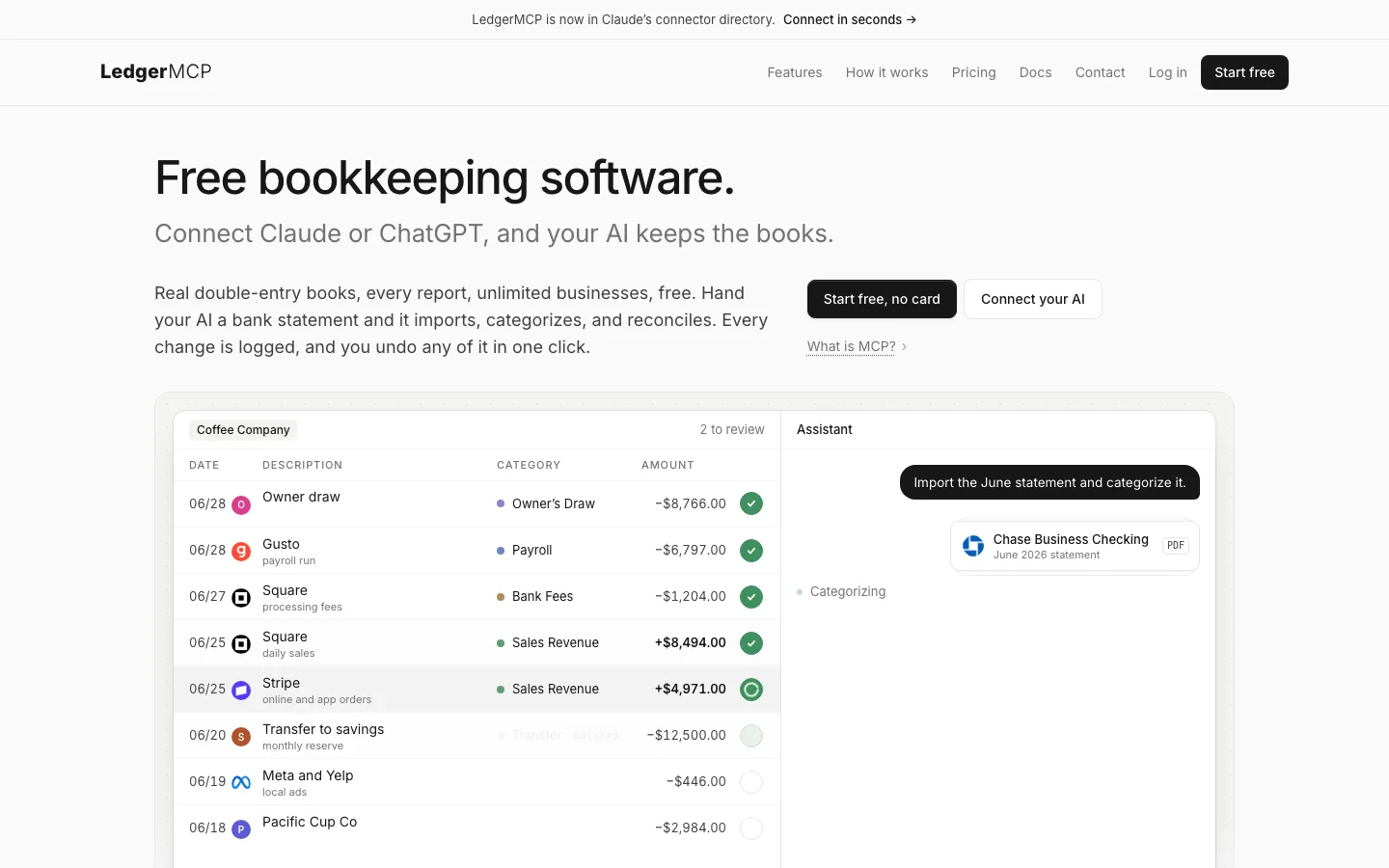
LedgerMCP
LedgerMCP is bookkeeping software with an MCP server built in, so the AI assistant a business already uses can import, categorize, reconcile and report on its books. LedgerMCP was built by eSEOspace, and we also run its website and search marketing.
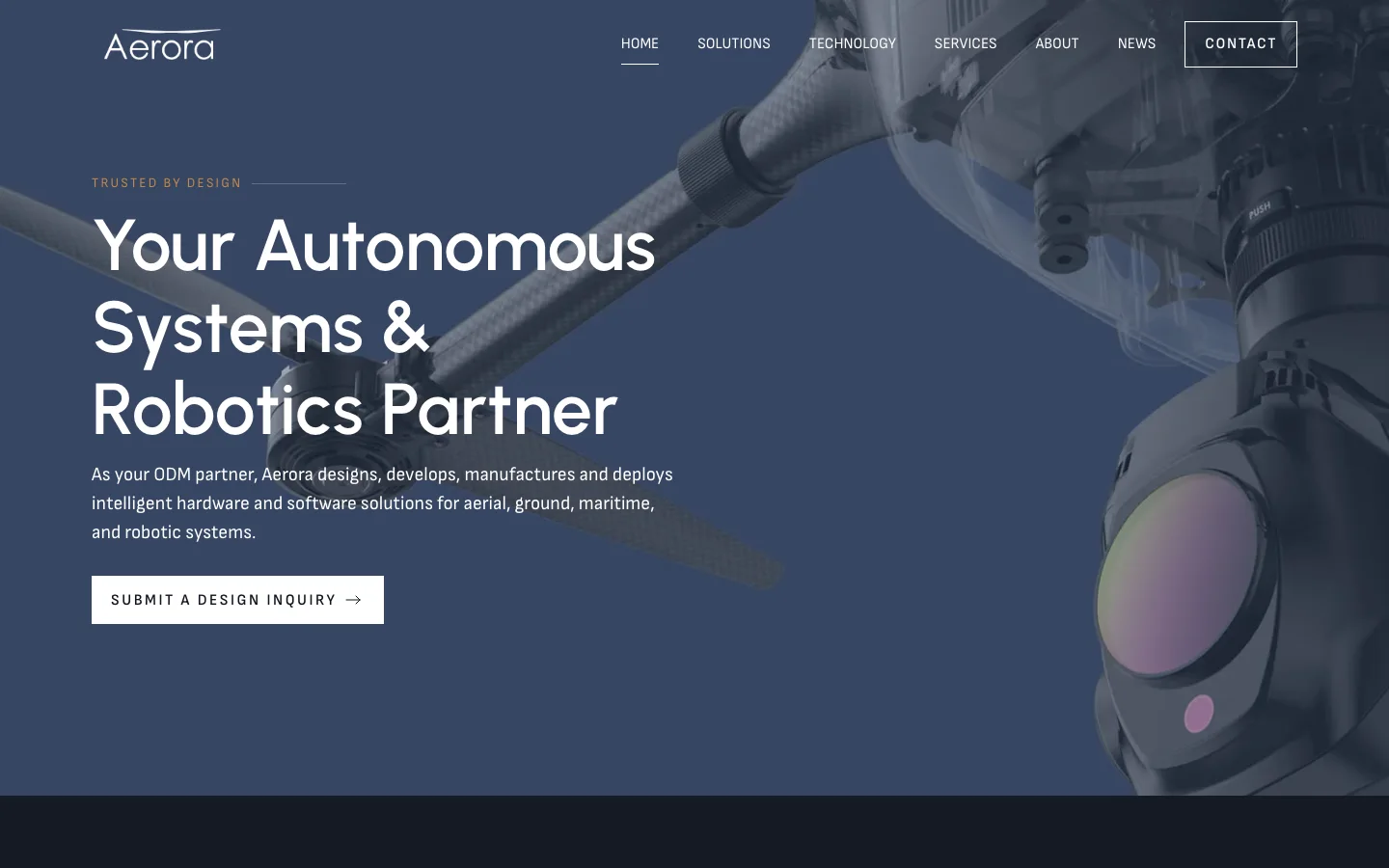
Read the LedgerMCP client spotlight for what it does and how it works. Other technology clients include Aerora Technology, a drone and robotics design manufacturer, and Synergy Relations, which builds software for mediators, tax professionals and social media managers.
What clients say
Businesses grow with eSEOspace
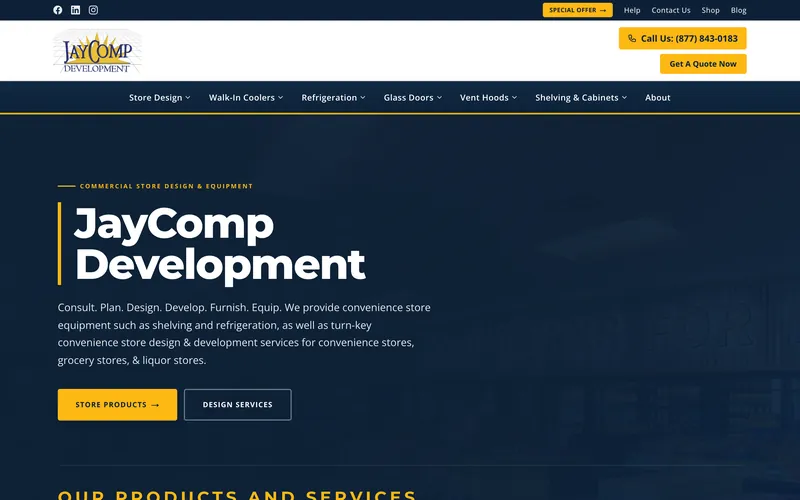
“Since beginning work with Irina and her staff at eSEOspace our internet activity has really begun to lift off. We had lots of issues with our site and the site was built several years ago. Irina found the problems, created a plan to fix them, and has since been implementing the plan to drive traffic to our site. Give them a call — they are a great company to work with!”
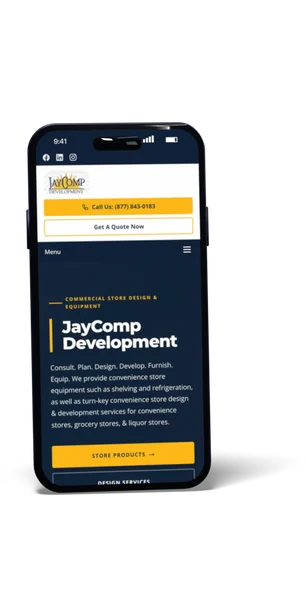
Brad SneedJayComp Development · Trustpilot
- ★★★★★
“After quickly exiting a previous marketing contract and needing to hit the ground running, the swift and capable onboarding with eSEOspace was exactly what we needed. Six months in, it's been a completely different experience. Irina and her team bring a level of attention to detail and consistency that you rarely find. As someone with over 15 years of marketing experience, I'm not easy to impress — what sets them apart is that they genuinely listen. It feels like a partnership, not a vendor relationship. eSEOspa…”
Ashley MurrayMarketing Leader · Trustpilot
- ★★★★★
“We have had an outstanding experience working with Ben Gunther, Project Manager at eSEOspace. From day one, the team has been incredibly patient, educational, and supportive. They created a gorgeous Shopify store for our company that is both professional and perfectly on trend. I genuinely do not have one negative thing to say. I would absolutely work with them again and highly recommend eSEOspace.”
SarahShopify store owner · Trustpilot
5.0 ★ average across 92 client reviews on Google, Trustpilot, Clutch & DesignRush. Read them all
Project Managers who will work with you on your project!
 Irina S.
 Benjamin G.
 David G.
 Jeanette M.
 Mark S.
 Maryna P.
FAQ
Questions technology and AI companies ask us
How does SEO help a technology company?
It brings buyers who are searching for a solution to a specific problem, comparing tools, or looking for something that works with the software they already use. Those searches are where a smaller company can win against much bigger competitors.
How do we get mentioned by ChatGPT and other AI assistants?
Publish clear, factual pages about what your product does, who it's for, how it compares and what it costs, and make sure they can be crawled. Being mentioned on trusted sites helps too. Our answer engine optimization service covers the details.
Should we publish our documentation publicly?
In most cases, yes. Public docs help technical buyers evaluate you without a sales call, and they often bring in search traffic of their own. Keep anything sensitive behind a login.
How should we talk about AI in our product?
Say what the AI does in concrete terms, what data it uses, how you measured any performance claim and where a human stays involved. Specific, checkable statements build more trust than broad promises.
How long does a technology website take?
Most take a few weeks to a few months, depending on docs, integrations and the amount of product content. We'll give you a timeline with your proposal.
What does it cost?
Our pricing page lists our monthly SEO plans and lets you estimate a custom website. Request a proposal above for a quote based on your product and goals.
Wondering what this costs? Every service has published pricing — no discovery call required to see it.
View pricingReady to make a complex product easy to choose?
Book a free strategy call. We'll review your current site, show you where buyers get lost, and map out what to fix first.
Book a Strategy Call →