



Blog
Designing Fintech Applications: Security Meets UX
Key Takeaways
- In fintech, user experience and security are interdependent, since a seamless interface builds trust that robust security measures must then protect.
- Poor experiences drive users away, with 68% abandoning financial apps over trust or technical barriers and 63% quitting onboarding due to complexity.
- Core security essentials include multi-factor authentication, encrypting data at rest and in transit, and transparent privacy policies that comply with GDPR.
- Adaptive authentication, streamlined onboarding, and real-time fraud detection let teams balance strong protection against everyday user convenience.
- Emerging trends like AI fraud detection, biometric authentication, and blockchain enhance security without compromising the fintech user experience.
In the competitive world of fintech, user experience (UX) and security are not just complementary—they're interdependent. A seamless, intuitive interface builds user trust, while robust security measures protect that trust. This article delves into how to harmonize UX and security in fintech applications, backed by recent statistics and best practices.
Why Security and UX Are Inseparable in Fintech
Building User Trust
Trust is paramount in fintech. Users must feel confident that their financial data is secure and that the app is easy to navigate. A study by Signicat found that 68% of consumers have abandoned a financial services application due to technical barriers or a lack of trust (Signicat).
The Cost of Poor UX and Security
Neglecting UX or security can have dire consequences. According to ITPro, 62% of organizations experienced security breaches in the past year, despite 93% expressing confidence in their app security (ITPro).
Simultaneously, poor UX leads to user abandonment. 63% of users abandon fintech app onboarding due to complexity (Phenomenon Studio).
Get a FREE Audit
We'll perform a comprehensive SEO, AEO, GEO & CRO audit of your website — completely free — and show you exactly how to outrank your competitors.
Don't have a site yet? Get in touch →
Core UX Principles in Fintech Applications
Simplifying Complex Financial Data
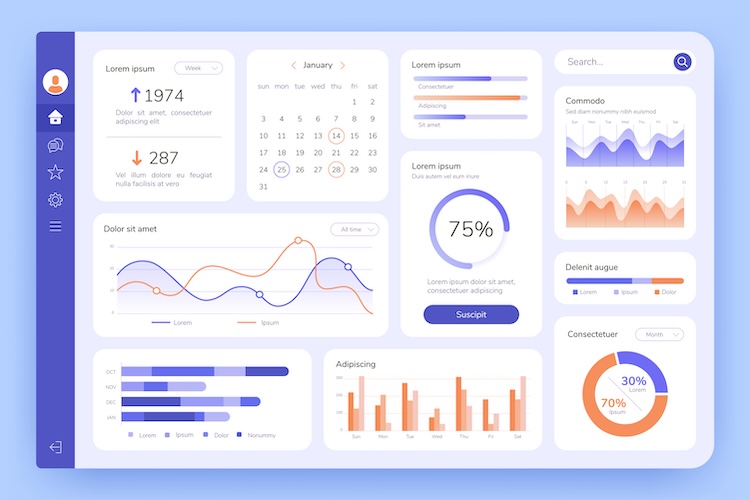
Presenting financial information in a clear, digestible manner is crucial. Use dashboards, charts, and summaries to help users make informed decisions without feeling overwhelmed.
Intuitive Navigation
Ensure that users can easily navigate the app. A study by Procreator found that 61% of fintech users abandon apps due to poor navigation and complexity (Procreator Design).
Accessibility
Design with inclusivity in mind. Ensure that your app is usable by people with various disabilities, adhering to accessibility standards and guidelines.
Key Security Considerations for Fintech UX
Multi-Factor Authentication (MFA)
Implementing MFA adds an extra layer of security, ensuring that even if login credentials are compromised, unauthorized access is prevented.
Data Encryption
Encrypt sensitive data both at rest and in transit to protect user information from potential breaches.
Transparent Privacy Policies
Clearly communicate how user data is collected, stored, and used. Transparency fosters trust and complies with regulations like GDPR.
Balancing Security and Usability
Adaptive Authentication
Implement adaptive authentication methods that adjust the level of security based on the user's behavior and risk profile, ensuring a balance between security and user convenience.
Streamlined Onboarding
Simplify the onboarding process to reduce friction. Complex sign-ups are a major reason for user drop-off, as shown by the 63% abandonment statistic.
Real-Time Fraud Detection
Incorporate real-time fraud detection systems that alert users to suspicious activities promptly, allowing for quick action.
Best Practices for Integrating UX and Security
| UX & Security Aspect | Common Pitfalls | Best Practices |
|---|---|---|
| Onboarding | Lengthy forms, unclear instructions | Simplified forms, clear progress indicators |
| Authentication | Weak passwords, lack of MFA | Strong passwords, implementation of MFA |
| Data Handling | Unencrypted data, unclear privacy terms | Data encryption, transparent privacy policies |
| User Interface | Cluttered design, poor navigation | Clean design, intuitive navigation |
| Feedback Mechanisms | Lack of user feedback, delayed responses | Prompt feedback, user-friendly error messages |
Emerging Trends in Secure Fintech UX
Artificial Intelligence (AI) in Fraud Detection
AI and machine learning algorithms are increasingly used to detect fraudulent activities in real-time, enhancing security without compromising user experience.
Biometric Authentication
Biometric methods, such as facial recognition and fingerprints, are becoming standard for secure and convenient user authentication.
Blockchain Technology
Blockchain offers decentralized security, providing transparent and tamper-proof transaction records, which is particularly beneficial for fintech applications.
Designing fintech applications requires a delicate balance between user experience and security. By adhering to best practices and staying informed about emerging trends, developers can create applications that are both user-friendly and secure. Remember, a satisfied user is a loyal user, and a secure app is a trusted app.
At eSEOspace, we specialize in designing fintech applications that prioritize both user experience and security. If you're looking to develop or enhance your fintech platform, our team is here to help you create a solution that meets your needs and exceeds your users' expectations.
Frequently Asked Questions
Why are security and UX inseparable in fintech applications?
What are the core UX principles for fintech apps?
What security measures are essential for fintech applications?
How can teams balance strong security with usability?
What emerging trends are shaping secure fintech UX?
Put this into action with eSEOspace
We help businesses grow with website development that actually performs. Explore the services behind this guide:
Get a FREE GEO/AEO/SEO Audit
We'll analyze your site's SEO, GEO, AEO & CRO — completely free — and show you exactly how to get found across Google and AI answers.
Don't have a site yet? Get in touch →
Great — your audit is on the way!
We'll send your free SEO/GEO/AEO/CRO audit within the next few hours. Where should we send it?
You're all set! ✓
Your free audit is being prepared — check your inbox in the next few hours. Talk soon!








