



Blog
Key Takeaways
- Crypto and investment content falls under YMYL, so Google judges it against the rigorous E-E-A-T framework of Experience, Expertise, Authoritativeness, and Trustworthiness.
- Anonymous bylines, missing author bios, unsupported price predictions, and weak trust signals mark a crypto blog as a high-risk, untrustworthy source.
- Replacing generic bylines with real-name authors and detailed bios that prove finance or trading expertise is the most critical first fix.
- Trustworthiness is the foundation of E-E-A-T, requiring HTTPS security, a robust About Us page, clear disclaimers, and transparent contact information.
- Prominent financial disclaimers and affiliate disclosures signal responsibility and protect both readers and the blog's credibility in a high-stakes niche.
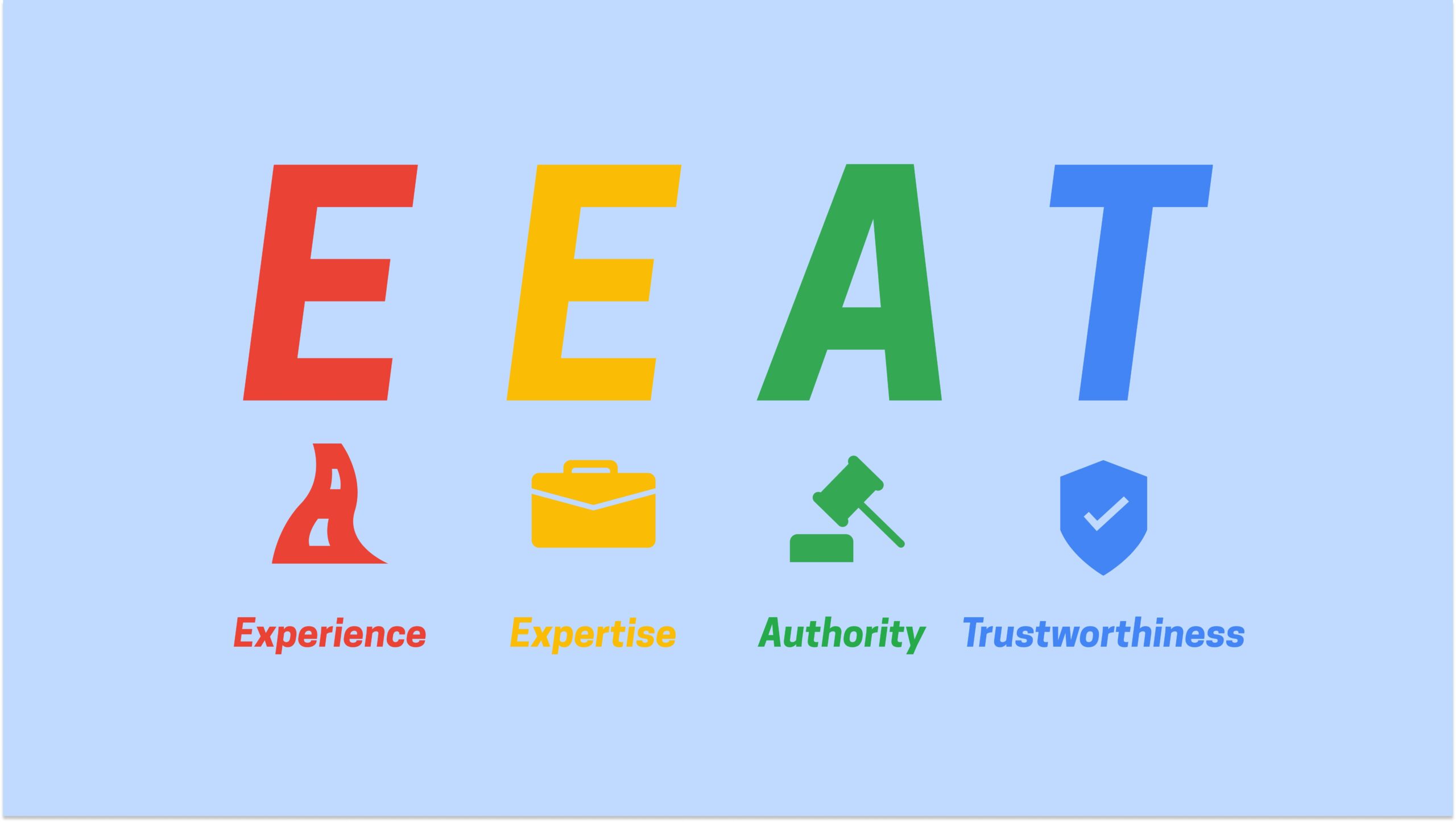
The world of cryptocurrency and digital assets is exciting, fast-paced, and filled with opportunity. It is also rife with misinformation, hype, and bad actors. For any blog or publication in this space, building credibility is not just a goal—it is a matter of survival. This is where Google’s quality standards become paramount. Because crypto and investment advice falls under the high-stakes "Your Money or Your Life" (YMYL) category, it is judged by the rigorous E-E-A-T framework: Experience, Expertise, Authoritativeness, and Trustworthiness.
A blog that fails to demonstrate high E-E-A-T will be seen as untrustworthy by both users and Google, leading to poor search rankings and a lack of credibility. So, how can a crypto blog transform itself from a potential red flag into a trusted resource? This case study will walk through the actionable strategies a hypothetical crypto/investment blog—let's call it "CryptoGainz"—can use to drastically improve its E-E-A-T and build a sustainable, authoritative presence.
The Starting Point: A Common Scenario for "CryptoGainz"
Let's imagine "CryptoGainz" is a blog with passionate writers who are deeply interested in crypto. However, its initial setup has several common E-E-A-T weaknesses:
- Anonymous Authors: Articles are published under generic bylines like "Admin" or vague first names like "John G."
- Lack of Verifiable Expertise: There are no author bios, so readers have no idea if the writers have any background in finance, tech, or investing.
- Unsupported Claims: Content makes bold price predictions or recommendations without citing data, sources, or a clear analytical framework.
- Weak Trust Signals: The website lacks an SSL certificate (
http://instead ofhttps://), has no clear "About Us" page, and offers no transparent advertising or affiliate disclosures.
In Google’s eyes, this blog is a high-risk source of YMYL information. It lacks nearly every signal of credibility. Here’s the step-by-step process "CryptoGainz" can follow to overhaul its E-E-A-T.
Step 1: Establish Expertise and Author Identity
The first and most critical step is to move away from anonymity and prove who is behind the content. Expertise must be verifiable.
Action: Create Comprehensive Author Bios
Instead of hiding behind generic bylines, "CryptoGainz" needs to create detailed author pages for every writer. Each bio should be a professional summary that includes:
- Full, Real Name: Using real names is a fundamental step toward accountability.
- Professional Headshot: A clear photo humanizes the author and builds a personal connection.
- Detailed Background: The bio must detail any relevant expertise. This could include a degree in Finance or Economics, professional experience working for a fintech company, or certifications like the CFA® charter. If an author's primary qualification is years of trading experience, this should be clearly and honestly stated.
- Links to Professional Profiles: Linking to the author's LinkedIn, Twitter (X), or a personal portfolio website helps Google and users verify their identity and expertise across the web.
By replacing "Admin" with a byline like "By Jane Doe, Financial Analyst," linked to a detailed bio, the blog immediately gains credibility.
Step 2: Reinforce Trustworthiness with Technical and Editorial Standards
Trustworthiness is the foundation of E-E-A-T. It encompasses everything from website security to content accuracy and business transparency.
Action: Secure the Website and Improve Transparency
"CryptoGainz" must implement several foundational trust signals:
- Install an SSL Certificate: Migrating from
http://tohttps://is non-negotiable. It encrypts user data and is a baseline expectation for any legitimate website, especially in finance. - Build a Robust "About Us" Page: This page should explain the blog's mission, its editorial standards, and its commitment to providing responsible, well-researched information.
- Create Clear Disclaimers: The site needs a prominent disclaimer stating that the content is for informational purposes only and does not constitute financial advice. It should also have a clear affiliate disclosure policy if it uses affiliate links for exchanges or products.
- Provide Contact Information: A legitimate publication is easy to contact. Adding a contact page with an email address or form shows accountability.
Action: Implement a Rigorous Editorial Process
To ensure content accuracy, "CryptoGainz" must shift from opinion-based posts to well-researched analysis.
- Cite Authoritative Data Sources: Instead of making a vague claim like "this token is about to surge," articles must support their analysis with data. This means linking to the project's official whitepaper, on-chain data from explorers like Etherscan, market data from sources like CoinMarketCap or Glassnode, and financial reports.
- Attribute Information: When reporting news or quoting an industry figure, always link back to the original source, whether it's a press release, a tweet from a founder, or a report from a major news outlet.
- Fact-Checking and Review: Every article should be reviewed by an editor or a second writer before publication to check for factual accuracy, clarity, and compliance with the site’s editorial standards. Adding a "Fact-Checked By" note to articles is a powerful trust signal.
Step 3: Demonstrate Experience and Build Authority
With expertise and trust established, the final step is to showcase practical experience and build a reputation as a leader in the space.
Get a FREE Audit
We'll perform a comprehensive SEO, AEO, GEO & CRO audit of your website — completely free — and show you exactly how to outrank your competitors.
Don't have a site yet? Get in touch →
Action: Showcase First-Hand Experience
The "Experience" component of E-E-A-T is about demonstrating real-world knowledge.
- Publish In-Depth Reviews: Instead of a surface-level overview of a crypto exchange, an author can write a detailed review based on their own experience using the platform. Similarly, practical topics such as crypto taxes become far more valuable when explained through real-world examples, transaction scenarios, and firsthand experience navigating reporting requirements. This could include screenshots of the interface, an analysis of the fee structure based on actual trades, and a summary of their experience with customer support.
- Write "How-To" Guides from Experience: A guide on setting up a hardware wallet is far more valuable when it includes photos and descriptions from an author who has actually gone through the process. They can share insights on common pitfalls and best practices that only come from hands-on experience.
Action: Build Authority in the Crypto Community
Authority is about your reputation. "CryptoGainz" can build its standing by:
- Publishing Original Analysis: Instead of just reporting the news, the blog can publish unique analysis, such as a deep dive into a new token's utility model or a comparison of different DeFi lending protocols. This original thought leadership is what gets cited by other publications.
- Engaging on Social Media: Authors should share their articles on platforms like Twitter (X) and engage in discussions, positioning themselves as accessible experts.
- Seeking External Validation: The blog can seek to have its authors quoted in other crypto news outlets or appear as guests on podcasts. These external mentions are powerful signals of authority.
The Result: A Trusted, Authoritative Resource
By implementing these changes, "CryptoGainz" transforms its E-E-A-T profile:
|
Before E-E-A-T Overhaul |
After E-E-A-T Overhaul |
|---|---|
|
Anonymous authors |
Real authors with detailed bios and credentials |
|
Unsupported price predictions |
Data-driven analysis with cited sources |
|
Insecure website (HTTP) |
Secure website (HTTPS) with clear policies |
- Vague claims | In-depth reviews from first-hand experience | | No contact or about page | Full transparency with "About Us" and contact info |
This transformation does more than just appease Google. It fundamentally changes the blog's relationship with its audience. Readers are no longer consuming anonymous tips; they are learning from credible individuals with verifiable expertise. This builds the trust necessary to grow a loyal audience and establish the blog as a legitimate voice in the crowded crypto space. For any publication in a YMYL field, this commitment to E-E-A-T is not just an SEO strategy—it’s the only sustainable path forward.
Frequently Asked Questions
What does E-E-A-T stand for and why does it matter for a crypto blog?
Why are anonymous authors a problem for a crypto blog?
What should a strong author bio for a crypto writer include?
Which technical trust signals should a crypto blog implement first?
What disclaimers does a crypto or investment blog need?
Put this into action with eSEOspace
We help businesses grow with website development that actually performs. Explore the services behind this guide:
Get a FREE GEO/AEO/SEO Audit
We'll analyze your site's SEO, GEO, AEO & CRO — completely free — and show you exactly how to get found across Google and AI answers.
Don't have a site yet? Get in touch →
Great — your audit is on the way!
We'll send your free SEO/GEO/AEO/CRO audit within the next few hours. Where should we send it?
You're all set! ✓
Your free audit is being prepared — check your inbox in the next few hours. Talk soon!


On this page
- Key Takeaways
- The Starting Point: A Common Scenario for "CryptoGainz"
- Step 1: Establish Expertise and Author Identity
- Step 2: Reinforce Trustworthiness with Technical and Editorial Standards
- Step 3: Demonstrate Experience and Build Authority
- The Result: A Trusted, Authoritative Resource
- Frequently Asked Questions






