Disclosure: this is a guest article. For the organic-vs-paid basics, see our guide to SEO vs. SEM.
Consider Dana, a hypothetical owner who recently opened a home-cleaning business. Two agencies have sent her proposals. One recommends an SEO retainer and talks about rankings. The other wants to launch ads and talks about leads. Neither explains what her customers will see, which page they will reach, or what she can check each month.
If you're comparing proposals like these, start by defining what search should do for your business. Then check whether each proposal explains the work needed to support that goal.
Decide What You Need Search to Do
A local search such as "drain cleaning near me" may show ads, map listings, and organic pages. Before choosing a channel, decide whether your priority is calls, quote requests, or bookings.
A written proposal should connect the search activity to that action. For paid search, it should explain the campaign, the page visitors will reach, and how they can contact you. An SEO proposal should identify the pages and business information that need attention.
Build useful visibility. Organic placement requires work even though you don't pay for each click. Someone needs to keep your business information accurate, write useful service pages, and manage your local presence. Google's "Tips to improve your local ranking on Google" says local results are mainly based on relevance, distance, and popularity. An agency cannot move your shop closer to a customer.
Ask how its proposed work addresses the factors it can influence.Ready Set Search, a marketing agency for startups and local brands, lists local SEO among its services alongside SEO, paid search, and paid social. When an agency covers several channels like this, ask which ones its proposal recommends for your goal and why.
Test demand with ads. Paid search can help you test whether searches in your area lead to inquiries. Keep that goal separate from organic visibility. Google's "Do you need an SEO?" guidance states that advertising has no effect on a site's presence in organic results. Treat any claim that ad spending will improve organic rankings as a warning sign.
Make the destination useful. Website visitors need a page that answers their question and makes contacting you easy. Slow loading, hidden contact details, or unrelated service information can make that harder. Use a focused service page with a clear contact action near the top. Google Ads' "About conversion measurement" guidance explains that tracking helps identify which keywords, ads, and campaigns drive valuable customer activity. For Dana, that activity is a quote request.
You may not need both channels at the outset. A plumber with steady referrals might begin by improving the business profile, while a new detailer might test ads first. Ask each agency to explain its recommendation using your current visibility, goals, and budget.
Compare Agencies by Their Proposed Work
Use each proposal to check how an agency would handle your business's needs. Compare the same four areas across every proposal.
Relevant experience. Ask for a comparable project: where the client started, what work was done, how long it took, and what changed for the business. A reference you can contact gives you a chance to ask about communication and delivery beyond the portfolio.
A named delivery team. Find out who will write your pages, who will run the ad account, and who will answer your questions. Confirm whether your main contact will change after signing and who will explain progress at each review.
Specific work. "Improve rankings" gives you little to check. A proposal that names the service pages to rewrite, business-profile categories to review, and search campaigns to launch gives you a concrete task list. The same hiring guidance warns that no one can guarantee a number-one ranking. Google's third-party advertising policy also calls for transparency about services, costs, and expected results. Check agency promises against that guidance.
Then confirm that the services match your goal. Ask how the recommended services would support the customer action you chose, which tasks are included, who will complete them, and how progress will be reported.
Account control. Keep ownership and administrator access to your website, ad account, and business profile. Add agency staff through their own user accounts. Agree on who approves spending changes, who can edit the website, and how files and access will be handled when the engagement ends. Discuss these safeguards before signing.
For Dana, these checks would expose the missing reporting detail in one proposal and the missing landing-page plan in the other. She can ask both agencies to address those gaps before comparing their fees.
Set a Budget and Review Useful Outcomes

Separate the costs. Ask for three lines on every quote: the management fee, advertising spend, and any separately scoped website or creative work. Some agencies have clients pay the advertising platform directly, so the ad budget stays in the client's own account. Ask any provider you're considering how it handles that split and which services the management fee covers.
Check how the agency will manage spending during the month. Google's "About overdelivery and your average daily budget" guidance says a campaign can spend up to twice its average daily budget on a given day. An average daily budget is therefore not a fixed daily cap. Agree on a monthly budget and ask how the agency will monitor spending against it.
Define the first phase. Put account access, a baseline of current calls and form submissions, a prioritized task list, and review dates in writing. Use those dates to check completed work and confirm that tracking works. Ask which tasks must happen before campaigns launch, including any page changes or measurement setup. If the goal is still unclear, use a short planning exercise to define your marketing goals before choosing measures.
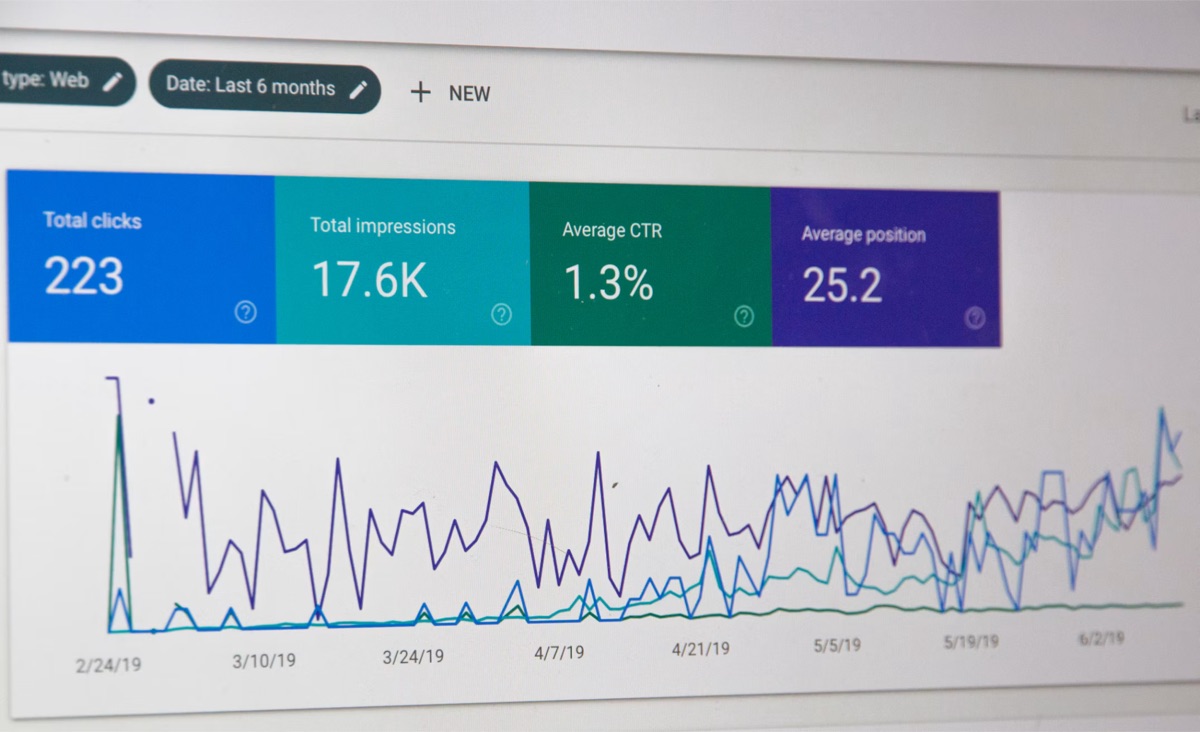
Review customer activity. Start reports with the action you chose, such as a quote request or booking. Keep clicks and impressions as context. Ask which inquiries were qualified and how many became customers. Before relying on the report, have the team check that calls and form submissions are recorded as intended.
For budget context, LocaliQ's benchmark article, updated June 1, 2026, reports an average search-advertising cost per lead of $66.69 across its customer campaigns. That figure describes one vendor's dataset; it is not a forecast for your business. Your results will depend on your service, area, and pages. Compare your own cost per qualified inquiry with the baseline, and record which inquiries become customers for the next review.
Conclusion
Search marketing works best when every part of it points to one customer action. Decide whether you want calls, quote requests, or bookings, and judge each proposal by how clearly it connects the work to that goal. Look for named tasks, a named team, transparent costs, and reports that start with real inquiries rather than clicks. Keep ownership of your accounts from day one, and agree on a first phase you can check against a baseline. With those pieces in place, you can compare agencies on substance instead of promises, and grow at a pace your budget can support.
Frequently Asked Questions
Does running Google Ads improve my organic rankings?
No. Google's "Do you need an SEO?" guidance states that advertising has no effect on a site's presence in organic search results. Treat paid search and SEO as separate channels with separate goals.
Should a small business start with SEO or paid search?
It depends on your current visibility and goals. A business with steady referrals may start by improving its business profile and service pages. A newer business may use paid search first to test whether local searches lead to inquiries.
Can an agency guarantee a number-one ranking on Google?
No. Google's guidance on hiring an SEO warns that no one can guarantee a number-one ranking. A promise like that is a reason to look more closely at the proposal.
Why did my Google Ads campaign spend more than my daily budget?
Google allows a campaign to spend up to twice its average daily budget on a given day. The average daily budget is not a fixed daily cap, so agree on a monthly budget and ask how spending will be monitored against it.
What is a typical cost per lead for search advertising?
LocaliQ's benchmark article, updated June 1, 2026, reports an average search-advertising cost per lead of $66.69 across its customer campaigns. Use it as context only, and track your own cost per qualified inquiry.
What should I own when working with a marketing agency?
Keep ownership and administrator access to your website, ad account, and business profile. Add agency staff through their own user accounts so access can be removed cleanly if the engagement ends.