
Why Construction and Industrial Businesses Can’t Afford to Ignore Web Design and SEO
Why Construction and Industrial Businesses Can’t Afford to Ignore Web Design and SEO
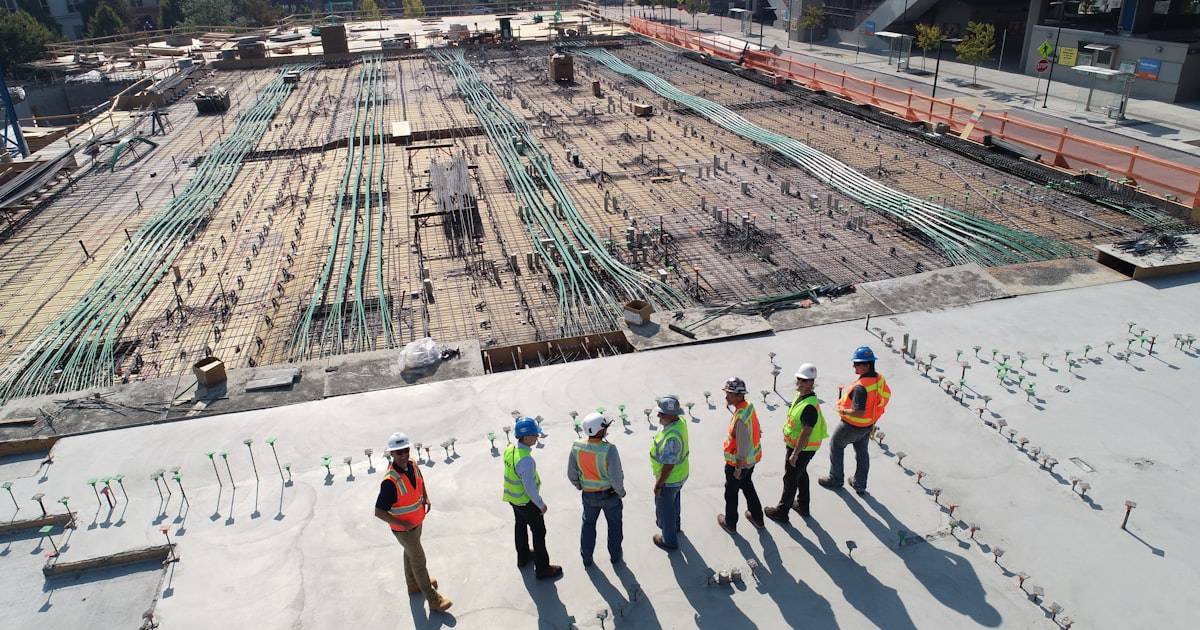
Most construction and industrial companies built their reputation on word of mouth, referrals, and repeat contracts. That approach worked for decades. It’s why so many of these businesses treat their website as a digital business card instead of a revenue channel — a page with a phone number, a logo, and maybe a project gallery that hasn’t been updated since 2021.
The problem is that buyers have changed even if the sales process hasn’t. A facilities manager comparing steel building suppliers, a contractor sourcing prefab components, or a procurement lead at a manufacturing plant now starts with a Google search. If your site loads slowly, doesn’t explain what you sell clearly, or can’t be found for the terms buyers actually type in, you’re invisible at the exact moment someone is ready to spend money.
The Cost of an Afterthought Website
Industrial and construction companies tend to underinvest in their websites for a few reasons. The sales cycles are long, so the connection between a website visit and a signed contract feels distant. Many of these businesses also assume their products are too specialized or too “old economy” to sell well online. Neither assumption holds up anymore.
Specialized doesn’t mean low-demand — it often means less competition and higher-intent traffic. Someone searching for pre-engineered metal buildings or industrial fasteners isn’t browsing casually; they’re usually further along in a buying decision than a typical retail shopper. A website that’s slow, cluttered, or missing basic product information loses that buyer to a competitor who made the process easier.
Selling Specialized Products Online Actually Works
A growing number of construction suppliers have proven that industrial products can be sold, quoted, and even purchased directly online. Steel building manufacturers, for example, now list configurable kits with sizes, gauges, and price ranges right on their sites instead of forcing every inquiry through a phone call. Norsteel Buildings is a good example of this shift — their site lists steel building kits Canada prices by size and use case, so — buyers can see ballpark costs and options before ever talking to a rep, which shortens the sales cycle instead of stalling it.
That kind of setup doesn’t happen by accident. It requires the same fundamentals as any other ecommerce site: clear product categorization, straightforward navigation, and checkout or quote-request flows that don’t create friction. Getting this right is largely a matter of solid ecommerce web design and development — building a site structure that reflects how buyers actually shop for industrial products, whether that’s by building size, material grade, or intended use, rather than how the company happens to be organized internally.
Getting Found by the Right Buyers
Building a good product catalog only matters if people find it. This is where SEO does the heavy lifting for niche industrial businesses. The keywords that matter here aren’t high-volume, generic terms — they’re specific phrases tied to product type, region, and application. “Steel building kits Canada prices,” “commercial garage door installation Ohio,” “industrial epoxy flooring contractor” — these searches have lower volume than broad terms but convert at a much higher rate because the person searching already knows what they need.
An organic SEO strategy built around this kind of intent means targeting the specific combinations of product, location, and use case that your buyers are actually searching for, then building content and landing pages around them instead of relying on a single generic homepage to do all the work.
Product visibility in search results also depends on structured data. Search engines need to understand pricing, availability, and specifications to display rich results and answer AI-generated search queries accurately. Adding structured data and schema markup to product pages helps search engines — and increasingly AI answer engines — surface accurate pricing and specs directly in results, which matters even more as more buyers start their research through AI tools instead of a traditional search bar.
The Practical Basics Still Matter
None of this works if the site itself is slow or hard to use on a phone. A high percentage of B2B research now happens on mobile devices, including from job sites where a decision-maker is standing in front of a building shell trying to compare options. Pages that take five seconds to load, or product specs buried in PDFs that won’t open on a phone, cost sales regardless of how good the SEO is.
Clear product organization matters just as much. Buyers comparing steel buildings, industrial equipment, or construction materials want to filter by size, capacity, or price range without digging through unrelated pages.
Playing the Long Game
A professionally built, well-optimized website compounds in value over time. Rankings built on real content and structured data keep working long after a paid ad budget runs out, and a site that converts well continues paying off as traffic grows. For construction and industrial companies still treating their website as an afterthought, that compounding advantage is the one competitors are already capturing.
Put this into action with eSEOspace
We help businesses grow with website development that actually performs. Explore the services behind this guide:
Get a FREE Audit
We'll perform a comprehensive SEO, AEO, GEO & CRO audit of your website — completely free — and show you exactly how to outrank your competitors.
Don't have a site yet? Get in touch →
Get a FREE GEO/AEO/SEO Audit
We'll analyze your site's SEO, GEO, AEO & CRO — completely free — and show you exactly how to get found across Google and AI answers.
Don't have a site yet? Get in touch →
Great — your audit is on the way!
We'll send your free SEO/GEO/AEO/CRO audit within the next few hours. Where should we send it?
You're all set! ✓
Your free audit is being prepared — check your inbox in the next few hours. Talk soon!