
Disclosure: this is a guest article that mentions VPNpro and links to its NordVPN deals page.
Search results, ads, and prices vary depending on where you are. A competitor's customer in Toronto will see a different page than you will from a London office. If you check from one network, you only see one version. Security and privacy resources like VPNpro point to VPNs as a straightforward way of seeing the others. This article looks at why that matters for competitor research and how to use one appropriately.
Why Location Changes What You See
Google tailors results by country, city, and language. Advertisers run campaigns targeted at a region. Many sites change their pricing, currency, offers, and layout depending on your IP address. Google's own documentation on local versions of a page shows how common it is for sites to serve different versions by language and region. If you research purely from your home market, you are only auditing one slice of the competition, which matters most for brands running local SEO across several cities or countries.
What You Can Check With a VPN
When you connect to a server in another country, you can view public pages the way a local visitor would. The table shows where that helps most.
| What to look for | How location changes it | What you learn |
|---|---|---|
| Search results | Rankings and SERP features are based on city and country | Where your competitors rank in your target markets |
| Paid ads | Ad copy, offers, and landing pages vary by region | Which messages competitors run locally |
| Pricing and plans | Currency, discounts, and tiers may change by IP address | How rivals price across markets |
| Landing pages | Language, layout, and calls to action are often localized | How competitors adapt to each audience |
| Product availability | Stock and shipping options vary from region to region | Gaps you can fill in the future |
Other Reasons Marketers Use a VPN
- Cleaner comparisons. A VPN combined with a private browser window and cleared cookies strips away the personalization built up from your own history.
- Less exposure. Repeat visits to a competitor's site from your company IP address can show up in their analytics. A VPN keeps your office address out of their logs.
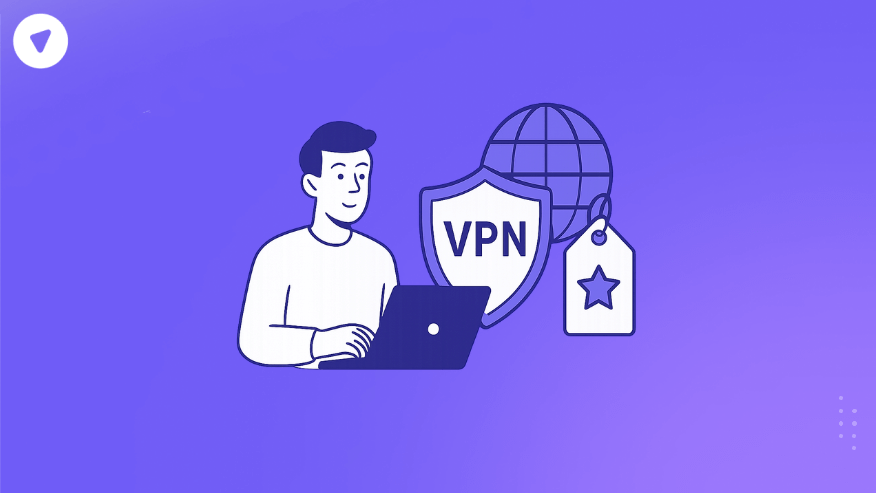
- Safer remote working. Agency staff and freelancers often work from cafés, airports, and co-working spaces. Encryption helps protect client logins on those shared networks.
- Consistent team testing. If the whole team tests the same market from the same region, the results are much easier to compare.
How to Run Competitor Research with a VPN
- List the markets and keywords you'd like to audit.
- Connect to a server in the first market and open a private browser window.
- Search your keywords and record rankings, SERP features, and visible ads.
- Visit the competitor's pages and note their pricing, offers, language, and calls to action.
- Repeat for each market and log the results in a shared spreadsheet.
Pair that with public tools that need no special access. The Google Ads Transparency Center and the Meta Ad Library both show which ads advertisers are currently running, giving you a baseline to compare against what you see locally. If you run paid search campaigns yourself, the same notes feed straight into ad copy and landing page tests, and they sit well alongside a competitor backlink analysis.
Choosing a VPN: A VPNpro Perspective
Look for servers in the countries you're targeting, good speeds, a clear no-logs policy, and apps for every device your team uses. Cost matters if you're paying for multiple users. Checking out Nord VPN deals on VPNpro is one way to compare current offers from a well-known provider before signing up. Be wary of free VPNs: they typically limit speed and servers, and some make money from users' data.
Stay on the Right Side of the Rules
VPNs are for viewing public pages as a local visitor would, not for bypassing paywalls, scraping data against a site's terms, or getting into accounts you don't own. Check the terms of any platform you use, and make sure you can explain how you collected your data if someone asks.
Conclusion
In most markets, competitors show a different face. A VPN lets you see it, keeps your research private, and protects your work on public networks. Choose a reputable provider, work through your markets, and write down what you find. You will understand the competition far better than an audit run from a single location ever could, and you can feed those findings into your wider marketing strategy.