




Blog
Why Your Scraper Gets Blocked on Mobile- Optimized Sites (And How to Fix It)

Key Takeaways
- Scrapers fail on mobile-optimized sites because of traffic identity, not buggy code, since mobile-first indexing made mobile crawling the universal default.
- Modern bot detection is a scoring system that weighs IP reputation, TLS fingerprints, header ordering, behavior, and cookies before any CAPTCHA appears.
- Datacenter proxies come from known ranges and collapse on protected targets, while mobile proxies use carrier-assigned cellular IPs that carry the highest trust scores.
- Evaluate proxy providers on pool size, ASN-targeting granularity, and both rotating and sticky session control, since production workflows usually need both.
- Fixing the stack means aligning every signal: matching user-agents, realistic header ordering, randomized request pacing, and protocol compatibility across the whole request.
Running a scraper against a site that works on desktop but returns 403s or empty HTML on mobile-optimized pages is a frustrating pattern, and it's becoming more common. The problem here is not always the code, as many assume; it is the traffic identity.
Google completed its mobile-first indexing rollout years ago (by late 2023), making mobile crawling the universal default for all indexed websites. Sites responded accordingly: more now serve dedicated mobile experiences with their own anti-bot logic, stricter ASN trust thresholds, and different DOM structures.
As of mid-2025, mobile accounts for 62–64% of global web traffic, which is also why the decision to buy mobile proxy infrastructure (instead of defaulting to datacenter IPs) has become a meaningful technical choice for scraping teams.
How Modern Bot Detection Works
Bot detection in 2025 is not a single check. It's a scoring system that runs dozens of signals against every incoming request before anything gets flagged to a human.
Modern anti-bot systems don't just look at your IP — they examine browser fingerprints, behavior patterns, cookie trails, TLS signatures, and even mouse movements. When those signals are inconsistent, the request gets throttled, challenged, or silently blocked.
The signals that catch scrapers most often:
- IP type and ASN reputation: A datacenter IP carries a lower trust score because it's statistically likely to be a bot, while mobile and residential IPs are treated more fairly. Detection systems query ASN ownership to determine whether an IP belongs to a real carrier or a cloud provider.
- TLS fingerprinting: The order and formatting of HTTP headers — and which ones are present or missing — is a fingerprint. Stacks like curl, Python requests, or Puppeteer have signature header patterns that detection teams can spot immediately.
- Geo and ASN consistency: A proxy IP may be "residential," but if it comes from a country inconsistent with your user-agent or request timing, it's already on the suspect list.
All of this happens passively, before any JavaScript challenge fires. By the time a CAPTCHA appears, the session is already flagged. That's why mobile endpoints often layer stricter checks, expecting cellular ASNs, mobile UAs, and matching TLS—desktop-style scrapers create instant mismatches that flag before JS challenges
Get a FREE Audit
We'll perform a comprehensive SEO, AEO, GEO & CRO audit of your website — completely free — and show you exactly how to outrank your competitors.
Don't have a site yet? Get in touch →
The Proxy Infrastructure Gap
Many teams default to datacenter proxies for cost reasons, then see success rates collapse on high-value targets like e-commerce pages, SERP results, or geo-locked ad placements.
Datacenter proxies come from known ranges — fast and cheap, but they won't work on anything seriously protected. Residential proxies route through real ISPs and are harder to flag. Mobile proxies go further: they use cellular IPs assigned by real carriers, which carry the highest trust scores in most detection systems.
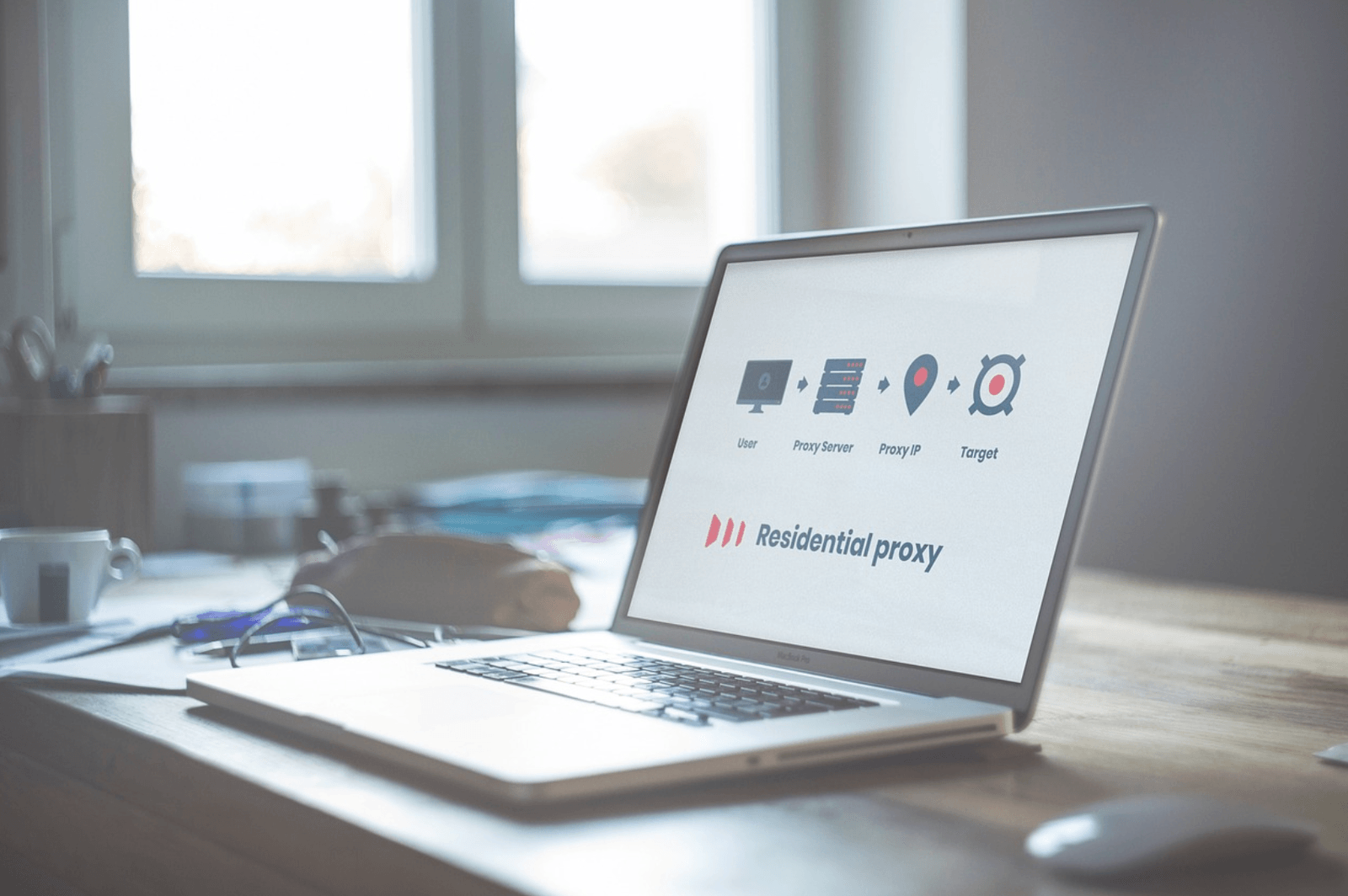
Teams that need reliable access to mobile-optimized content should evaluate providers on a few specific dimensions: pool size, ASN targeting granularity, and session control. Some providers recycle IPs so heavily that passive reputation services already have them tagged as abused — you inherit that taint just by showing up.
ASN-level targeting matters because it lets you route through specific carrier networks and match the traffic signature expected by geo-sensitive targets. Rotating sessions change the IP after every request, making tracking harder; sticky sessions maintain the same IP for an extended period, useful for multi-step navigation or login-dependent flows. Most production workflows need both.
How to Fix the Stack
Switching to mobile proxies solves the IP-layer problem, but it won't help if the rest of the request is inconsistent. The full fix should align every signal:
- User-agent alignment: The UA must match the proxy type. A cellular IP sending a desktop Chrome UA is an immediate mismatch.
- Header ordering: Real mobile browsers have consistent header sequences. Bots typically don't replicate them.
- Request pacing: Randomized delays between requests remove the even-distribution pattern that detection systems flag.
- Protocol compatibility: Confirm the proxy provider supports both HTTP(S) and SOCKS5, since automation frameworks route differently by protocol.
Combining proxies with human behavior mimicry and fortified headless browsers yields better results than any single technique alone. The goal is consistency across every detectable layer — IP type, headers, timing, and session behavior.
Mobile-optimized sites are harder to scrape, not because the data is different, but because the detection logic is tuned to a higher trust baseline. Matching that baseline starts with the right infrastructure.
Frequently Asked Questions
Why does my scraper work on desktop but get blocked on mobile pages?
What signals do modern bot detection systems actually check?
What is the difference between datacenter, residential, and mobile proxies?
How do I choose a good mobile proxy provider?
Do mobile proxies alone fix scraper blocking?
Put this into action with eSEOspace
We help businesses grow with website development that actually performs. Explore the services behind this guide:
Get a FREE GEO/AEO/SEO Audit
We'll analyze your site's SEO, GEO, AEO & CRO — completely free — and show you exactly how to get found across Google and AI answers.
Don't have a site yet? Get in touch →
Great — your audit is on the way!
We'll send your free SEO/GEO/AEO/CRO audit within the next few hours. Where should we send it?
You're all set! ✓
Your free audit is being prepared — check your inbox in the next few hours. Talk soon!








