



Blog
Key Takeaways
- Mental health content is YMYL, so Google scrutinizes it through the E-E-A-T framework of Experience, Expertise, Authoritativeness, and Trustworthiness.
- You do not strictly need an MD or clinical license to rank, but you must clearly demonstrate genuine expertise some way.
- For licensed clinicians, detailed author bios, credentials, license numbers, and verifiable proof links are the most direct way to prove expertise.
- Non-clinicians can rank by collaborating with credentialed experts who review and fact-check every piece of clinical content.
- Lived experience and de-identified clinical insights count as first-hand Experience, adding authenticity without violating patient confidentiality.
The internet is flooded with information about mental health, from TikTok videos on anxiety hacks to in-depth articles on trauma. For content creators and professionals in this space, a pressing question arises: what does it take to get your content seen and trusted by Google? Specifically, do you need an MD, a PhD, or a clinical license to rank for psychology-related topics? The answer is nuanced, but it all comes back to Google's core principles for evaluating high-stakes content.
Because mental health information can profoundly impact a person's well-being, it falls squarely into Google's "Your Money or Your Life" (YMYL) category. This means Google scrutinizes it using its E-E-A-T framework—Experience, Expertise, Authoritativeness, and Trustworthiness. While having formal credentials like an MD or an LPC is one of the most straightforward ways to demonstrate expertise, it's not the only path. This guide will navigate how to demonstrate the necessary expertise for psychology SEO, whether you're a licensed clinician, an academic researcher, or a content creator with lived experience.
Get a FREE Audit
We'll perform a comprehensive SEO, AEO, GEO & CRO audit of your website — completely free — and show you exactly how to outrank your competitors.
Don't have a site yet? Get in touch →
Why Expertise is Non-Negotiable in Psychology SEO
Before diving into the "how," it's crucial to understand the "why." Google’s top priority is to protect its users from harmful or misleading information. In the context of mental health, low-quality content could lead someone to misdiagnose themselves, try a dangerous coping mechanism, or avoid seeking professional help when they need it.
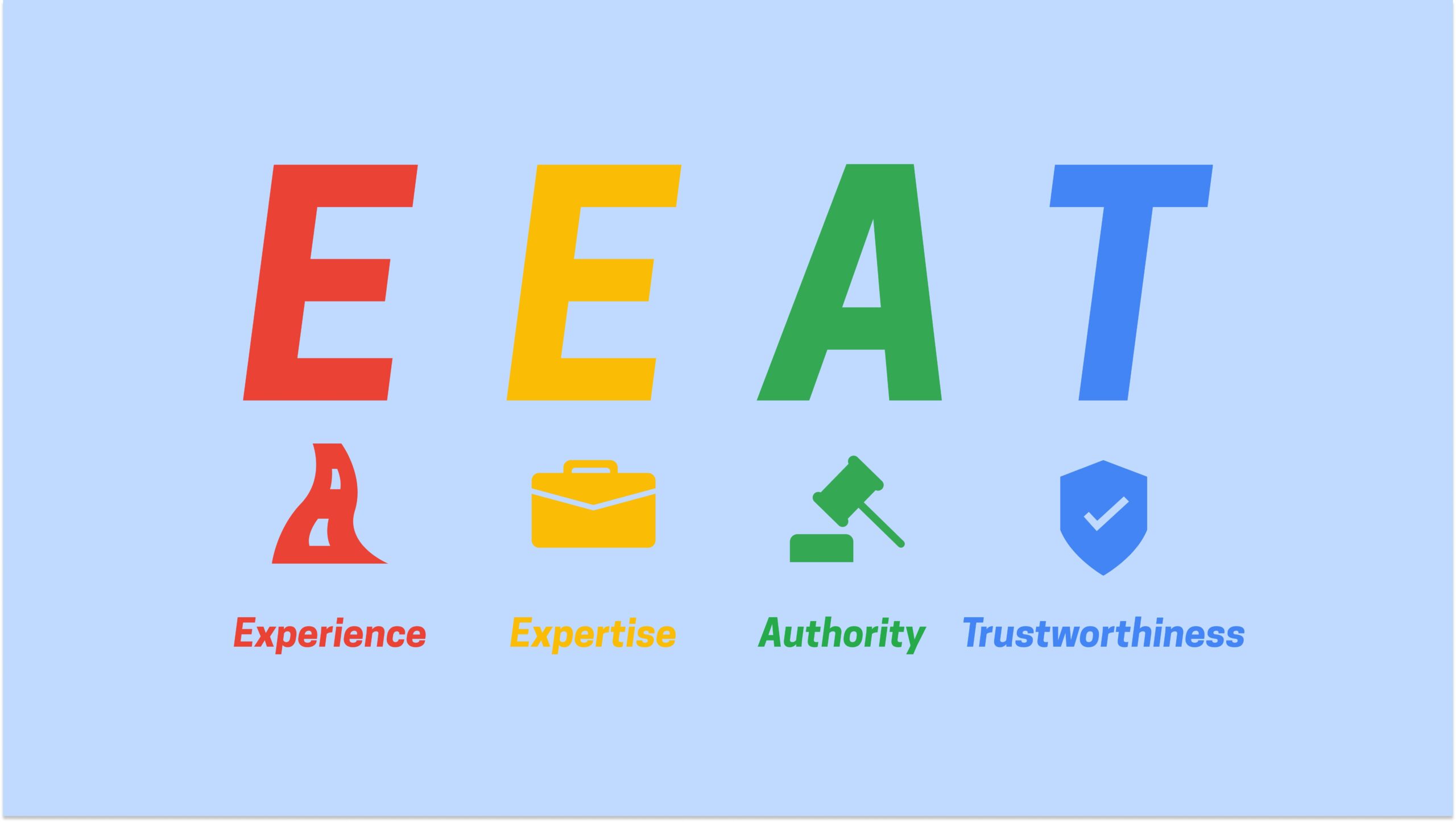
To prevent this, Google's algorithms are trained to identify and reward content that demonstrates high E-E-A-T. Let’s break it down for psychology content:
- Expertise: Does the author have the necessary knowledge and qualifications? This is where licenses and degrees are most powerful.
- Experience: Does the author have relevant first-hand experience? This could be a therapist's clinical experience or a patient's lived experience with a condition.
- Authoritativeness: Is the author or website recognized as a leader in the mental health field?
- Trustworthiness: Is the site secure, the information accurate, and the content ethically presented?
The bottom line is that you must demonstrate expertise. The question is how you prove it.
The Gold Standard: Content by Licensed Professionals
Let's be clear: for content that provides specific therapeutic advice, discusses diagnoses, or explains treatment modalities, the gold standard is to have it written and/or reviewed by a licensed mental health professional or physician. This is the most direct and powerful way to satisfy the "Expertise" component of E-E-A-T.
If you are a licensed clinician (LPC, LCSW, LMFT, PsyD, MD, etc.), your website and content must make this immediately clear.
How Clinicians Can Showcase Expertise:
- Detailed Author Bios: Every article should have an author byline that links to a comprehensive bio page. This bio must include your full name, credentials, license type and number, states of licensure, educational background, and any specialized training or certifications (e.g., EMDR, Gottman Method).
- Verifiable Proof: Link to your profiles on platforms like Psychology Today, your state licensing board's verification page, or your LinkedIn profile. This allows Google and users to easily verify that you are who you say you are.
- Share De-Identified Insights: Leverage your clinical experience by sharing general themes and patterns you've observed in your work. For example, writing about "common communication challenges for new couples" based on your work as a marriage counselor is a powerful way to demonstrate experience without violating confidentiality.
For websites aiming to rank for high-intent keywords like "find a therapist for anxiety," having content created by credentialed experts is practically a requirement.
The Alternative Path: Demonstrating Expertise Without a Clinical License
What if you're not a licensed clinician? Can a journalist, a researcher with a PhD, a patient advocate, or a skilled content creator still create high-quality mental health content that ranks? The answer is yes, but it requires a different and equally rigorous approach to building E-E-A-T.
1. Collaborate with and Cite Credentialed Experts
If you don't have the credentials yourself, the next best thing is to borrow them. This means ensuring every piece of clinical content on your site is reviewed and fact-checked by a qualified professional.
- Implement a Medical Review Board: Create a panel of licensed therapists, psychologists, or psychiatrists who review your content for accuracy. Feature these reviewers on a dedicated page with their full bios and credentials.
- Add "Reviewed By" Bylines: At the top or bottom of each article, include a byline such as, "Medically reviewed by Dr. Jane Doe, PsyD." This transparently shows that while the writer may not be a clinician, the content has been vetted by one. Major health sites like Healthline and WebMD do this on every clinical article.
- Interview and Quote Experts: Base your articles on interviews with qualified professionals. Quoting them directly and attributing the information to them transfers their expertise to your content.
2. Showcase "Experience" Through Lived Experience
Google's addition of "Experience" to its framework was a significant acknowledgment that lived experience has value. A person who has navigated life with OCD or recovered from an eating disorder has a unique and valuable perspective.
How to leverage lived experience ethically:
- Be Transparent: The author should be clear about their role. The bio should state, "John Smith is a patient advocate who has lived with bipolar disorder for 15 years," not "John Smith is a bipolar disorder expert."
- Focus on the Narrative, Not Advice: The content should center on the personal journey, coping strategies that worked for them, and the emotional experience. It should not give medical advice or suggest treatments.
- Always Include Disclaimers: Every article based on lived experience must have a clear disclaimer advising readers to consult a qualified healthcare professional for diagnosis and treatment. The content should complement, not replace, professional medical advice.
3. Build Authority Through Journalism and Data
For content creators, a path to authority lies in rigorous journalism and data-driven analysis. You can become a trusted resource by synthesizing information, rather than creating it from scratch.
- Cite Primary Sources: Ground your articles in high-quality research. Link directly to peer-reviewed studies on PubMed, reports from the NIMH, or statistical data from the CDC.
- Summarize Complex Topics: A skilled writer can take a dense academic study and translate it into an accessible, easy-to-understand article for a general audience. The value you provide is clarification and synthesis.
- Maintain Strict Editorial Standards: Your website must have a clear editorial policy that outlines your commitment to accuracy, sourcing, and fact-checking.
The Verdict: Credentials Matter, But Credibility is King
So, do you need an MD or a license to rank in psychology SEO?
For content that gives advice, explains diagnoses, or recommends treatment, the answer is leaning ever closer to yes. Either the author must be credentialed, or the content must be explicitly reviewed and verified by a credentialed expert. Direct claims of expertise without proof will be penalized.
For content that shares personal stories, reports on mental health news, or explains research in layman's terms, the answer is no, provided you do it responsibly. You must be transparent about your role, cite your sources rigorously, and always defer to medical professionals for clinical advice.
Ultimately, Google's goal is to reward content that serves the user's best interest. Whether you are a licensed therapist or a passionate advocate, building your online presence around the principles of E-E-A-T—by being honest about your qualifications, backing up your claims, and always prioritizing the well-being of your audience—is the only sustainable path to success.
Frequently Asked Questions
Do I need an MD or clinical license to rank for psychology topics?
Why does Google scrutinize mental health content so heavily?
How should licensed clinicians showcase their expertise online?
Can content creators without a license still rank for psychology SEO?
What is E-E-A-T and how does it apply to psychology content?
Put this into action with eSEOspace
We help businesses grow with website development that actually performs. Explore the services behind this guide:
Get a FREE GEO/AEO/SEO Audit
We'll analyze your site's SEO, GEO, AEO & CRO — completely free — and show you exactly how to get found across Google and AI answers.
Don't have a site yet? Get in touch →
Great — your audit is on the way!
We'll send your free SEO/GEO/AEO/CRO audit within the next few hours. Where should we send it?
You're all set! ✓
Your free audit is being prepared — check your inbox in the next few hours. Talk soon!








